Invisible commerce is rapidly emerging as one of the most transformative forces in global consumer markets. Defined as purchasing that happens seamlessly in the background without explicit checkout steps, invisible commerce is quietly reshaping how brands sell and how consumers buy. From AI-driven replenishment systems to voice-enabled purchases and embedded payment rails inside everyday devices, the consumer journey is becoming increasingly automated and anticipatory.
This shift is more than a technology trend. It reflects a broader evolution in consumer expectations for instant gratification and reduced friction. As companies from Amazon to Alibaba and Mercado Libre double down on predictive and autonomous purchasing, invisible commerce is becoming the new competitive battleground. This article explores how the model works, why it is accelerating now, and what business leaders must do to adapt.
How Invisible Commerce Works and Why It Matters
Invisible commerce relies on a mix of technologies such as AI algorithms, sensor-enabled devices, stored payment credentials, and real-time data streams. These systems anticipate consumer needs and execute purchases without requiring explicit user input.
A Deloitte 2024 survey found that 62 percent of consumers expect brands to deliver seamless, automated buying experiences, especially for routine or recurring products. This signals a massive shift in consumer psychology: convenience and certainty are becoming more valuable than choice in low-involvement categories.
Consider Amazon Dash Replenishment. Smart printers reorder ink only when necessary, eliminating a task historically prone to frustration. Similarly, Asian super-apps like WeChat and Grab embed payments into mobility, dining, and lifestyle services so deeply that the act of paying virtually disappears.
Invisible commerce matters because it removes the cognitive load associated with repetitive decisions. In doing so, it strengthens brand loyalty while expanding the revenue potential of everyday products.
The Technologies Powering Invisible Commerce
Invisible commerce is scaling quickly due to advances across four foundational technologies:
1. Artificial Intelligence and Predictive Analytics
AI systems crunch behavioral and contextual data to forecast purchasing needs. For example, grocery platforms in Europe are using machine-learning models that reconstruct a household’s consumption patterns and pre-assemble weekly baskets.
McKinsey estimates that AI-driven personalization can lift revenue by 10 to 15 percent, a number that explains why retailers are investing heavily in prediction engines.
2. Embedded Payments and Tokenization
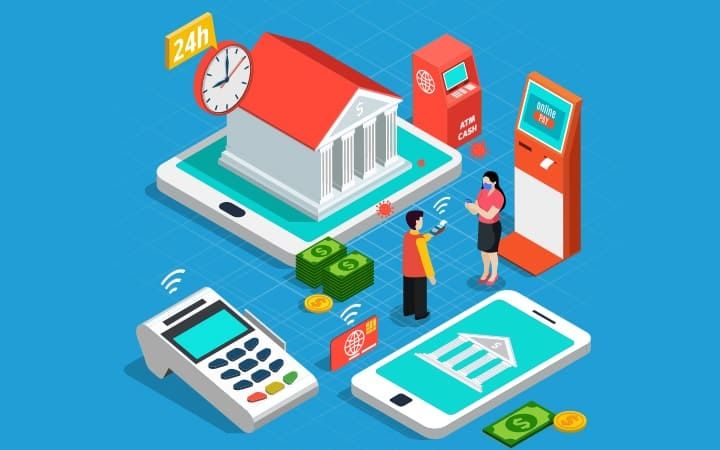
Invisible commerce requires frictionless payment flows. Tokenized card credentials, one-click wallets, and embedded payment rails like Apple Pay and Alipay allow transactions to happen securely with minimal user involvement.
For B2C brands, this means the payment layer is no longer a barrier. It becomes a silent partner that enables automated commerce.
3. IoT and Smart Devices
Smart home devices are the beating heart of invisible commerce. Refrigerators that sense when milk is low, toothbrushes that reorder brush heads, or cars that autonomously schedule maintenance—these are no longer hypothetical scenarios.
IDC forecasts over 55 billion IoT devices by 2030, making the consumer environment increasingly shoppable without conscious intent.
4. Voice Commerce and Ambient Computing
Voice assistants like Amazon Alexa and Google Assistant normalize conversational purchasing. As natural-language AI improves, consumers will be able to make purchases as seamlessly as making a passing remark.
Global Trends Accelerating the Shift
Invisible commerce is not developing evenly worldwide. Different regions illustrate unique catalysts:
North America: Subscription Fatigue Meets Automation
While subscription models reached saturation, consumers are now gravitating toward usage-based automatic replenishment, which better aligns to real consumption patterns.
Asia: Super-App Integration
In markets like China, Singapore, and Indonesia, super-apps create a unified digital ecosystem where purchasing, payments, and logistics operate as an invisible mesh.
A 2024 report from Asia Payments Insights highlights that over 70 percent of mobile transactions occur via super-apps, making these environments fertile ground for invisible commerce.
Europe: Privacy-Informed Automation
European consumers express higher privacy concerns, yet adoption is growing thanks to transparent data-exchange models and GDPR-compliant consent architecture.
Real-World Case Studies
Amazon’s Predictive Retail Ecosystem
Amazon’s evolution showcases invisible commerce at scale. Beyond Subscribe & Save, Amazon’s predictive systems increasingly anticipate when items will run out, subtly nudging or auto-fulfilling orders. Their Just Walk Out retail technology eliminates checkouts entirely, creating one of the purest forms of invisible commerce.
Sephora and Beauty IoT
Sephora’s partnerships with smart mirrors and skincare devices enable automated replenishment of high-margin beauty products. Customers receive timely product suggestions based on skin condition data, which boosts both conversion and loyalty.
Mercado Libre’s Embedded Commerce Model
In Latin America, Mercado Libre integrates fintech, logistics, and marketplace layers to create an ecosystem where payments, credit scoring, and purchase fulfillment occur behind the scenes. The result is a frictionless experience for millions of first-time digital buyers.
Challenges and Ethical Considerations
Invisible commerce raises several concerns business leaders must address:
Data Privacy
Consumers fear that automated purchasing means excessive data harvesting. Transparent practices and clear value propositions are essential.
Loss of Consumer Agency
Automation simplifies life but may reduce active decision-making. Experts argue that brands should build “meaningful interruptions” to maintain consumer choice where relevant.
Algorithmic Bias
If models misinterpret purchasing patterns, they may reinforce stereotypes or trigger unnecessary buys. Regular audits and human oversight remain mandatory.
Over-Automation
Businesses risk pushing automation too far, alienating customers who prefer explicit control over high-involvement purchases.
Opportunities for Brands and Retailers
Invisible commerce unlocks major advantages for companies that adopt early:
1. Higher Retention and Predictable Revenue
Automated repurchasing drives consistent demand, helping companies stabilize forecasting and reduce churn.
2. Enhanced Customer Lifetime Value
Frictionless buying increases purchasing frequency and strengthens brand stickiness.
3. Competitive Differentiation
As consumer journeys become more ambient, brands with strong automation capabilities gain a decisive edge.
4. New Business Models
Replenishment-as-a-service, device-enabled commerce, and predictive bundles open fresh revenue streams across FMCG, beauty, automotive, and home goods.
Conclusion: What Comes Next
Invisible commerce is still in its early chapters, but its momentum is undeniable. As AI, IoT, and embedded payments converge, the buying experience will become increasingly ambient, predictive, and personalized. Brands that embrace this shift stand to deepen customer relationships and capture new revenue opportunities.
Business leaders should begin investing in predictive analytics, automation-friendly product design, and transparent data governance. Those who master invisible commerce today will shape the future of consumer markets.