In an era where digital perfection once reigned, the pendulum has swung dramatically. The filters are fading, the gloss is dulling, and the market’s appetite for “real” has become insatiable. In 2025, authenticity isn’t a buzzword it’s the new bottom line. From startups to legacy corporations, brands that dare to be vulnerable, transparent, and human are capturing both trust and market share.
The explosion of generative AI, influencer fatigue, and misinformation has created a paradox: as technology advances, audiences crave truth more than ever. The “Return of Real” marks not a trend but a recalibration a societal correction toward genuine storytelling and purpose-driven business.
The Authenticity Imperative: Why Realness Wins in 2025
According to Edelman’s 2024 Trust Barometer, 81% of consumers now say trust is a key determinant in their buying decisions, a sharp rise from pre-pandemic levels. Authenticity has become shorthand for that trust. When everything from voices to images can be artificially generated, the human element imperfection, emotion, vulnerability emerges as the differentiator.
A prime example is skincare brand The Ordinary, whose no-frills transparency and ingredient honesty have propelled it to cult status. While competitors lean into celebrity endorsements, The Ordinary wins with data-backed simplicity and brand humility. The lesson? Authentic communication is no longer an aesthetic it’s strategy.
Key takeaway: Authenticity has become a competitive moat. In an AI-driven marketplace, consumers reward brands that show their seams.
AI Saturation and the Human Countertrend
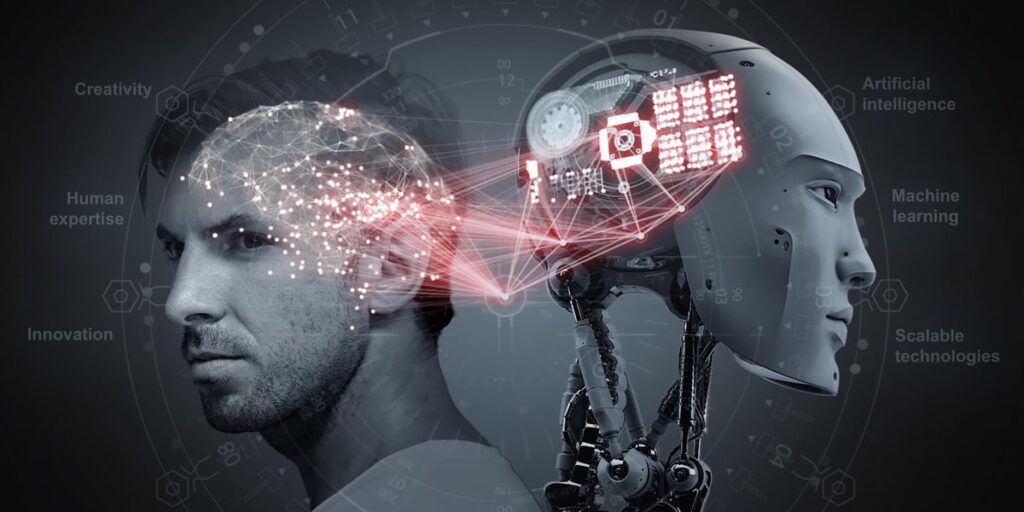
AI has democratized creativity, but it has also flooded the world with sameness. From eerily polished product videos to algorithmically optimized blog posts, audiences are overwhelmed by synthetic content. A 2025 HubSpot survey found that 67% of Gen Z consumers now prefer user-generated content (UGC) over brand-generated materials, citing it as “more trustworthy and relatable.”
That’s why companies like Duolingo and Liquid Death are thriving. Their unapologetic tone and irreverent humor feel unmistakably human in a landscape of robotic marketing. Duolingo’s mascot doesn’t just advertise it threatens, jokes, and even flirts with users online. It’s chaotic, real, and wildly effective.
Even AI-native companies are realizing that synthetic perfection doesn’t convert. The smartest brands now blend human oversight with AI tools, ensuring that what reaches audiences feels “crafted,” not “computed.”
Expert insight: “We’re entering a ‘post-automation’ era where consumers want to know not just what a brand does, but who’s behind it,” says marketing futurist Nina Shaw, author of Authentic Advantage: Humanizing Digital Growth.
From Influencers to “Infriends”: The Shift in Digital Trust
Influencer culture once fueled the digital economy, but in 2025, its glossy veneer has cracked. Audiences have grown weary of the perfectly curated feeds and paid partnerships that once drove engagement. Instead, they’re turning to “infriends” micro-creators and everyday users who share lived experiences rather than sponsored scripts.
Platforms like TikTok and Lemon8 are rewarding this shift algorithmically. Videos that show behind-the-scenes moments, mistakes, and emotional honesty outperform polished content by 35% on average (Source: Sprout Social, 2025). The rise of “deinfluencing”, where creators openly advise against unnecessary consumption, signals a maturing digital audience that values integrity over influence.
Brands like Glossier and Patagonia have long understood this ethos. Both have built communities around co-creation, user feedback, and open dialogue. In 2025, that community-first strategy is no longer optional, it’s essential.
From Influencers to “Infriends”: The Shift in Digital Trust
Influencer culture once fueled the digital economy, but in 2025, its glossy veneer has cracked. Audiences have grown weary of the perfectly curated feeds and paid partnerships that once drove engagement. Instead, they’re turning to “infriends” micro-creators and everyday users who share lived experiences rather than sponsored scripts.
Platforms like TikTok and Lemon8 are rewarding this shift algorithmically. Videos that show behind-the-scenes moments, mistakes, and emotional honesty outperform polished content by 35% on average (Source: Sprout Social, 2025). The rise of “deinfluencing”, where creators openly advise against unnecessary consumption, signals a maturing digital audience that values integrity over influence.
Brands like Glossier and Patagonia have long understood this ethos. Both have built communities around co-creation, user feedback, and open dialogue. In 2025, that community-first strategy is no longer optional, it’s essential.
How Brands Can Build Authenticity in 2025
Authenticity isn’t something you declare; it’s something you demonstrate. Here are five actionable strategies businesses can implement immediately:
- Show the process, not just the product. Behind-the-scenes storytelling humanizes even the most technical industries.
- Empower employee voices. Let staff, not just executives, share brand narratives online.
- Own your mistakes publicly. Transparency in failure builds credibility faster than perfection ever could.
- Use AI as a mirror, not a mask. Employ generative tools for efficiency but maintain human oversight for tone, empathy, and context.
- Measure authenticity. Track metrics like trust index scores, UGC engagement, and employee advocacy participation.
Authenticity, like sustainability once was, will soon move from “trend” to “table stakes.” The companies investing early in real human connection are already future-proofing their brands.
Conclusion: The Real Revolution Is Human
The “Return of Real” signals a profound shift not just in marketing but in meaning. In 2025, as algorithms perfect mimicry, the rarest commodity becomes the unfiltered human voice. The brands and leaders that thrive will be those unafraid to be seen as imperfect, evolving, and deeply human.
Authenticity is no longer a moral choice. It’s the most valuable form of capital in a world that’s learned to doubt everything else.