

The page was not broken.Traffic was steady. The offer was clear. The copy had already been tested. By most standards, performance was “good enough.” But one detail kept bothering the team. The call-to-action button blended in too well.It matched the brand palette perfectly. It looked beautiful.It also underperformed.
What followed was not a redesign or a strategy overhaul. It was a single colour change. No new copy. No new layout. Just a different shade on one button.
Conversions doubled.
This is not a story about luck or hacks. It is a lesson in how humans actually make decisions, and why brands that prioritize aesthetics over attention often leave money on the table.
The Assumption That Almost Everyone Gets Wrong

Most teams choose colours based on brand harmony.
Does it match the palette? Does it feel premium? Does it align with the identity guidelines?
Those questions matter, but they miss the real function of colour in conversion design. Colour is not decoration. It is contrast.
On the original page, the CTA button used the brand’s primary colour. It looked cohesive, but it did not stand out. Users’ eyes flowed past it without friction. Heatmaps showed attention everywhere except the button.
The problem was not taste. It was visibility.
The Test: Breaking the Brand Rules
Against internal resistance, the team tested a colour that was not in the brand palette.It clashed slightly. It felt uncomfortable. It violated the design system.
It also created contrast.The new colour was chosen for one reason only: it did not appear anywhere else on the page. When users scanned the layout, their eyes stopped there naturally.
Within days, the results were clear. Conversion rate nearly doubled.
Not because users liked the colour. But because they noticed it.
Why This Works Psychologically
Humans do not read pages. They scan them.
Eye-tracking studies consistently show that attention is drawn to elements that break patterns. When everything looks cohesive, nothing stands out. When one element breaks rhythm, it becomes a focal point.
This is why companies like Amazon famously use high-contrast CTA buttons that do not match their broader visual language. The orange button is not there to be beautiful. It is there to be seen.
Conversion design optimizes for behavior, not beauty.
The Colour Was Not Magical. The Contrast Was.
Many people misinterpret these stories and ask the wrong question.
They ask, Which colour converts best?
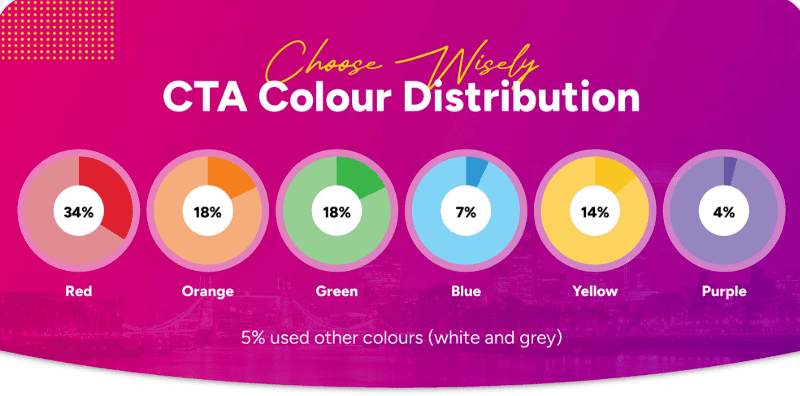
There is no universal answer. Red, green, blue, orange have all “won” tests in different contexts. What matters is not the hue. It is the relative difference between the CTA and its surroundings.
On a blue-heavy page, orange pops. On a neutral page, green might dominate. On a dark interface, white can outperform everything.
The winning colour is the one your page does not already have.
When Brand Consistency Hurts Performance
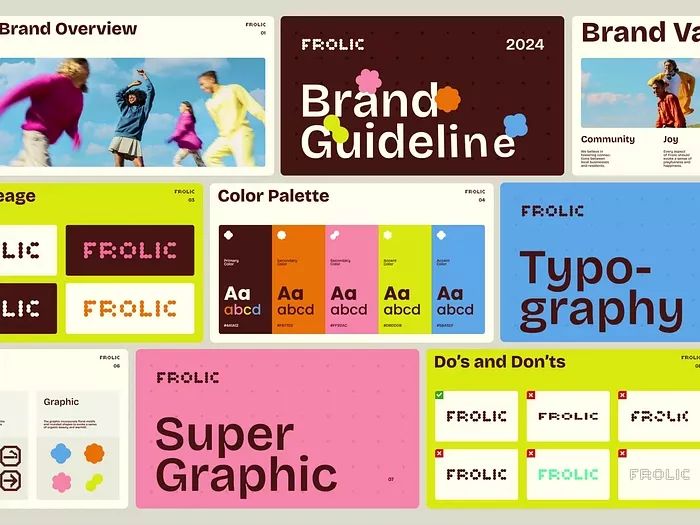
Brand teams often resist these changes for understandable reasons.
Consistency feels safe. It signals maturity. It protects identity. But when consistency becomes rigidity, performance suffers.
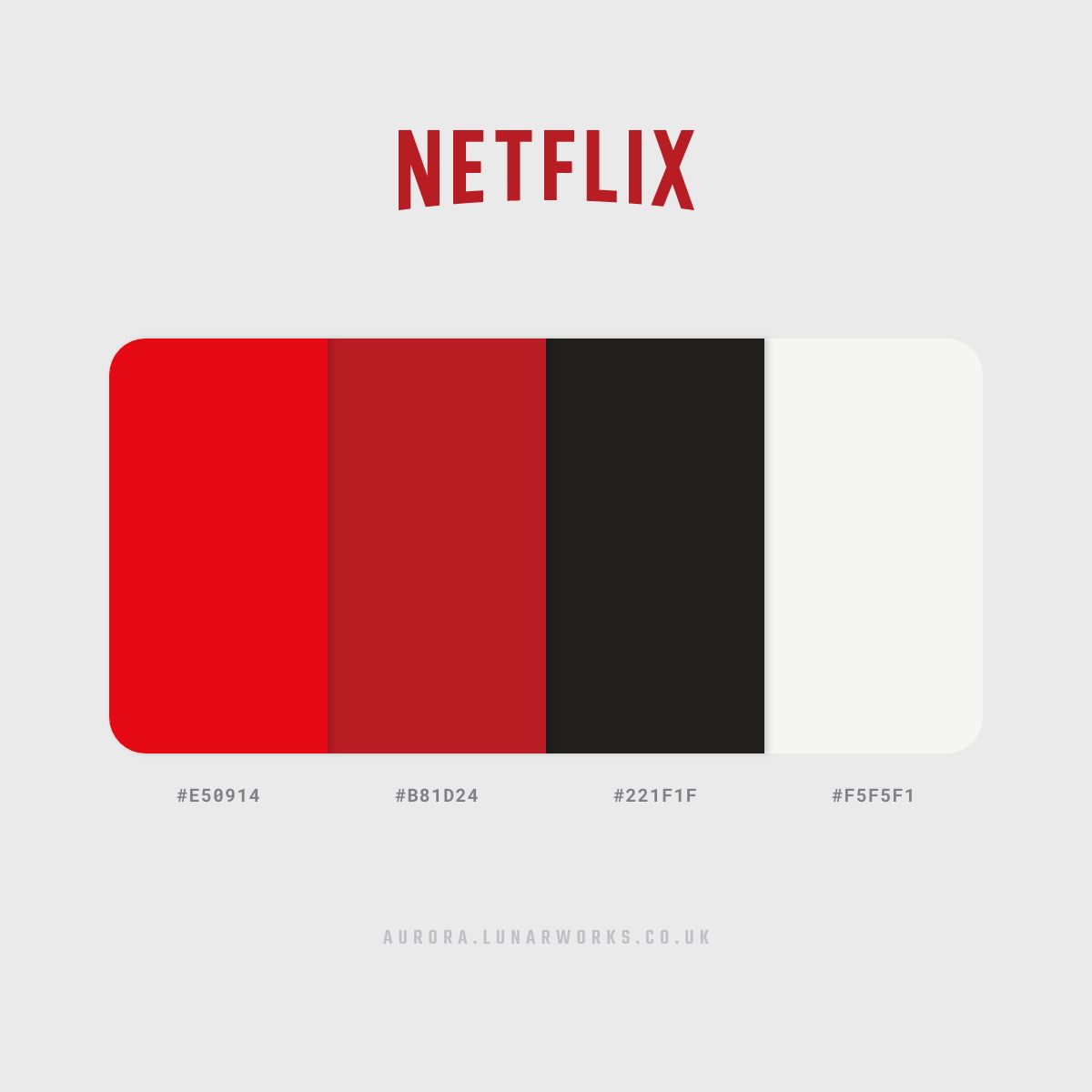
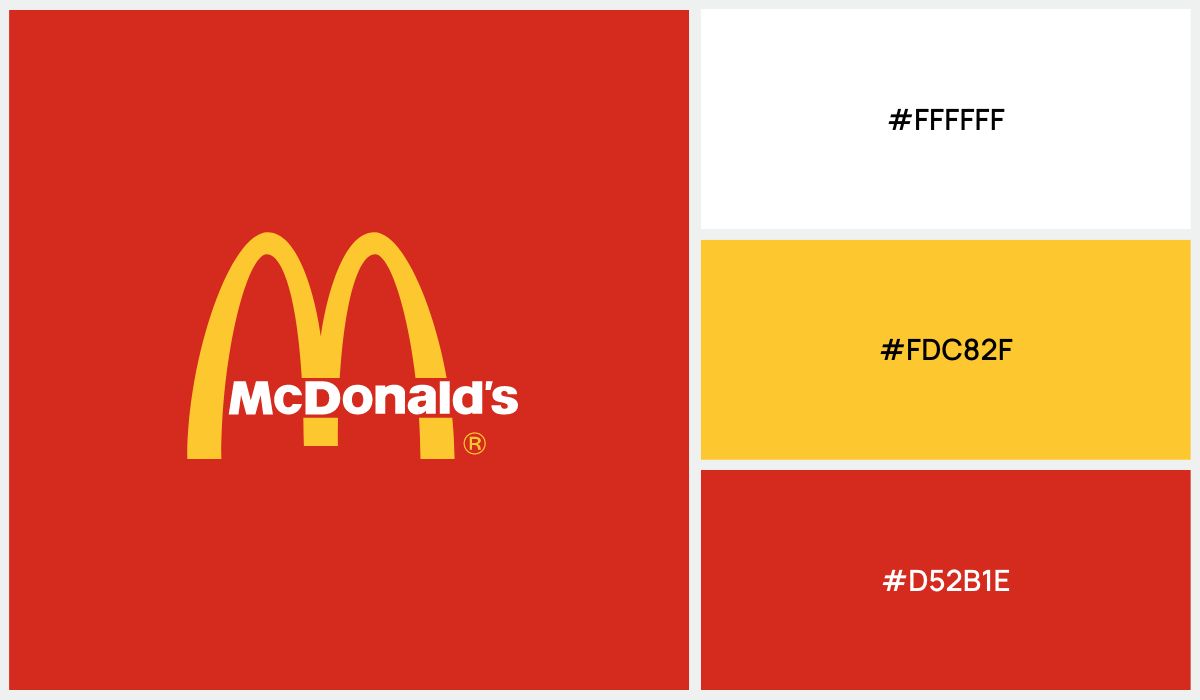
The highest-performing brands separate brand expression from conversion mechanics. They allow flexibility where behavior matters most.
Even companies with strong design cultures, like Spotify, routinely prioritize contrast and clarity in high-stakes actions, even when it bends aesthetic rules.
The brand survives. The conversions improve.
Why This Change Was So Hard to Accept Internally
The resistance was emotional, not rational.
The original button felt “right.” It aligned with taste and identity. The new one felt wrong, even as data proved otherwise.
This is common. Teams trust intuition more than evidence when the change is visible. A copy tweak feels abstract. A colour change feels personal.
But users do not experience brand pride. They experience clarity or confusion.
The moment the team reframed the question from Does this look on-brand? to Does this get noticed? the decision became obvious..
The Hidden Cost of Being Subtle
Subtlety is often praised in design.
In branding, subtlety can signal sophistication. In conversion paths, subtlety can be fatal.
Users are distracted. Multitasking. Skimming. If your primary action blends in, it competes with everything else on the page and usually loses.
The goal of a CTA is not to whisper. It is to interrupt politely.
That interruption doubled conversions.
Lessons for Builders and Marketers
The takeaway is not to abandon brand systems.
It is to understand where rules should bend.
Key lessons:
- Design for attention before aesthetics
- Use colour to create contrast, not harmony
- Test discomfort. Data resolves taste debates
- Separate brand identity from conversion mechanics
What feels wrong to a designer can feel obvious to a user.
Conclusion: The Eye Decides Before the Brain
The colour choice that doubled conversions was not clever.It was visible.
In a world overloaded with information, attention is the scarcest resource. The fastest way to lose it is to hide your most important action inside your own design rules.
Great brands are remembered.
Great conversion design is noticed.
Sometimes, doubling performance starts with the courage to stand out, even if it looks a little ugly at first.