
Startup constraints are often misunderstood as obstacles that need to be eliminated as quickly as possible. In reality, startup constraints are what shape some of the strongest companies in the world. Limited capital, small teams, time pressure, and uncertainty force founders to focus, prioritize, and execute with precision. Instead of slowing progress, startup constraints often accelerate it by removing distractions and exposing what truly matters. The startups that learn to work within constraints rather than fight them consistently outperform those with far more resources.
What Startup Constraints Really Mean
Startup constraints are the structural limits every young company faces. These include restricted budgets, lean teams, limited market access, and imperfect information. Unlike large organizations, startups cannot afford inefficiency.
What makes startup constraints powerful is how quickly they surface reality. Weak ideas fail fast. Strong ideas survive. Constraints act as a filter, forcing founders to confront hard truths early instead of hiding behind excess resources.

Why Startup Constraints Improve Decision Making
When resources are scarce, decisions become clearer. Startup constraints force tradeoffs that abundance allows teams to avoid. Founders must decide what not to do, which is often more important than deciding what to do.
Research from Harvard Business School shows that constrained teams often outperform unconstrained ones in creative problem solving. Startup constraints reduce complexity and sharpen judgment, leading to faster and more confident decisions.

How Startup Constraints Shape Better Products
Products built under startup constraints tend to be simpler and more focused. Without the option to overbuild, teams concentrate on solving one specific problem exceptionally well.
Startup constraints prevent feature overload and encourage early validation. This leads to clearer value propositions and faster product-market fit. Many successful companies started with narrow use cases precisely because constraints made anything else impossible.
Startup Constraints and Stronger Team Culture
Startup constraints influence culture as much as strategy. Small teams require trust, ownership, and direct communication. Everyone understands how their work impacts the company.
Under startup constraints, accountability increases. There is no room for ambiguity or wasted effort. This environment attracts people who value responsibility and autonomy over hierarchy and comfort.

Why Startup Constraints Accelerate Learning
Learning speed is one of the biggest advantages a startup can have. Startup constraints accelerate learning by making experimentation cheaper and faster.
Founders cannot afford long feedback cycles or expensive mistakes. As a result, they test assumptions early, gather feedback quickly, and adapt continuously. According to a 2024 McKinsey analysis, startups operating under tight constraints reached sustainable growth faster than those with excess funding.
Turning Startup Constraints Into Strategy
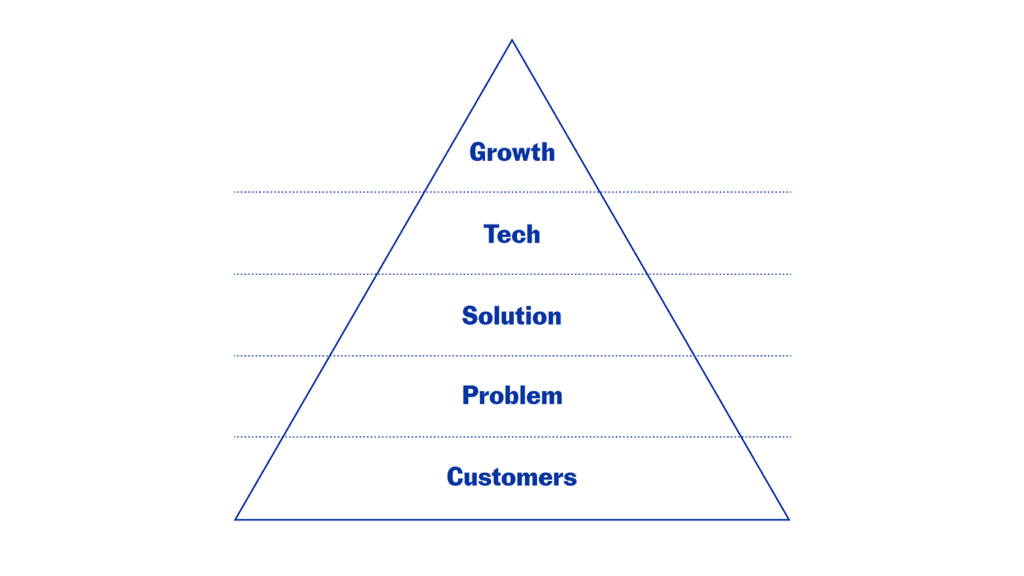
The most successful founders stop viewing startup constraints as temporary problems and start treating them as strategic inputs. Instead of asking how to remove constraints, they ask how to design around them.
Limited budgets lead to creative distribution strategies. Small teams lead to faster execution. Narrow focus leads to category leadership. When used intentionally, startup constraints become difficult for competitors to replicate.
The Danger of Losing Constraints Too Soon
Ironically, success can weaken startups when constraints disappear too quickly. Sudden funding or rapid hiring often introduces complexity before discipline is established.
Founders who experienced early startup constraints often try to preserve them even as the company grows. They protect focus, limit unnecessary expansion, and maintain the habits that constraints taught them.

Why Startup Constraints Matter More Than Ever
Markets are volatile, capital is selective, and customer expectations are high. In this environment, startup constraints are not a phase. They are a constant.
Startups that embrace constraints build resilience. They are better prepared to adapt when conditions change because they have already learned how to operate efficiently under pressure.
Conclusion
Startup constraints are not disadvantages to escape. They are advantages to be harnessed. Constraints force clarity, discipline, and creativity in ways abundance never can.
The startups that win are not those with the most resources, but those who use their limitations most intelligently. In an uncertain world, startup constraints are often the foundation of lasting competitive advantage.