
Bootstrapped companies do not get to pretend.There is no buffer of venture capital to hide mistakes. No runway extended by optimism. Every decision has weight because it is paid for with real revenue, not future promises. This pressure forces a kind of discipline that is difficult to manufacture in funded environments.
While venture-backed startups optimize for speed, bootstrapped companies optimize for survival. That difference shapes behavior in profound ways. Hiring is slower. Spending is intentional. Growth is earned, not assumed.
The result is often quieter progress, but far stronger foundations. Discipline is not a value statement for bootstrapped companies. It is a requirement.
Cash Flow Becomes the Ultimate Scoreboard

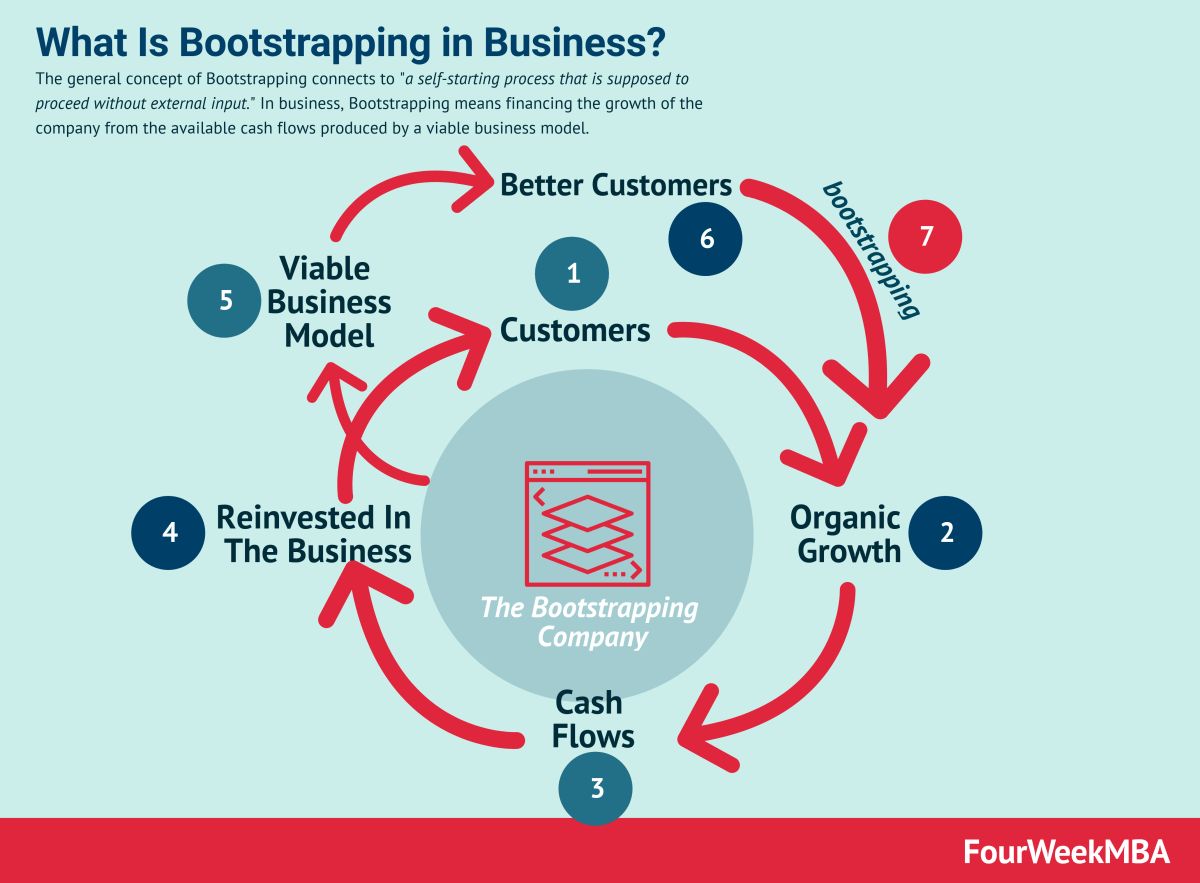
In bootstrapped businesses, cash flow is clarity.
There are no vanity metrics to hide behind. Growth that does not convert into revenue is immediately suspect. Every feature, hire, and tool must justify itself in real dollars.
This is why bootstrapped founders often know their numbers better than anyone else. Burn rate. Margins. Payback periods. These are not finance exercises. They are survival tools.
Companies like Mailchimp grew for years without outside funding, driven by a relentless focus on profitable growth. The discipline was not accidental. It was enforced by reality.
Spending Is Treated as a Permanent Decision

Bootstrapped companies assume every cost will live forever.
Salaries compound. Software subscriptions multiply. Office space becomes sticky. Without external capital, reversing these decisions is painful.
As a result, spending decisions move slowly. Founders ask harder questions. Does this create leverage? Does it remove friction? Can we live without it for another six months?
This restraint is often misread as conservatism. In practice, it is strategic patience..
Hiring Is Based on Leverage, Not Hope

Hiring is the most dangerous decision a bootstrapped company makes.
There is no room for “we will grow into it.” Every hire must create immediate, tangible leverage. Revenue. Retention. Operational relief.
Bootstrapped teams stay small longer, not because they dislike growth, but because complexity is expensive. Each additional person increases communication overhead and financial obligation.
This is why many bootstrapped companies have surprisingly senior early teams. They hire fewer people, but with higher judgment.
Focus Is Ruthlessly Protected
Constraint forces clarity.
Bootstrapped companies cannot chase every opportunity. They must choose a narrow problem and solve it exceptionally well. Side projects, experiments, and pivots are evaluated through a brutal filter: will this pay off soon enough?
This focus compounds.
By saying no repeatedly, bootstrapped companies deepen expertise in a specific niche. Over time, this creates defensibility that money alone cannot buy.
Many profitable SaaS companies quietly dominate narrow categories precisely because they never tried to be everything.
Discipline Replaces Urgency

Funded companies often operate in a state of artificial urgency. Timelines are driven by investors, not customers.
Bootstrapped companies move differently. Their urgency is internal and controlled. They ship when something is ready. They scale when demand is proven. They expand when systems can handle it.
This measured pace reduces rework, churn, and burnout. Decisions are slower, but outcomes are cleaner.
Discipline here is not about speed. It is about precision.
Profitability Changes Psychology
Profit does something subtle to decision-making.
It reduces fear. When the business pays for itself, founders think more clearly. They take fewer reactive risks. They are less tempted by shiny distractions.
Profit also creates confidence. Customers are validating the product with money, not applause. That feedback loop grounds strategy.
This psychological stability is one of the most underrated advantages of bootstrapping.
Why Discipline Becomes a Cultural Norm
In bootstrapped companies, discipline spreads.
Teams understand constraints intuitively. Waste is visible. Ownership is shared. People treat the business like it matters because it does.
Culture forms around responsibility rather than entitlement. This makes the company more resilient as it grows.
When discipline is embedded early, it does not feel restrictive later. It feels normal.
The Trade-Off Most People Miss
Bootstrapping is not morally superior. It is strategically different.
It trades speed for control. Optionality for focus. Attention for durability. Not every business should bootstrap. But the discipline it enforces explains why many bootstrapped companies outlast louder competitors.
They do not win headlines. They win time.
Conclusion: Discipline Is the Real Competitive Advantage
Bootstrapped companies stay disciplined because they have to.
That necessity creates habits that funded companies often struggle to adopt later. Thoughtful spending. Focused execution. Respect for cash. Patience with growth.
In the long run, these habits matter more than hype.
Money can buy speed.
Discipline builds endurance.
And in business, endurance is often what decides who is still standing.