

Introduction: When a No Is Not the End
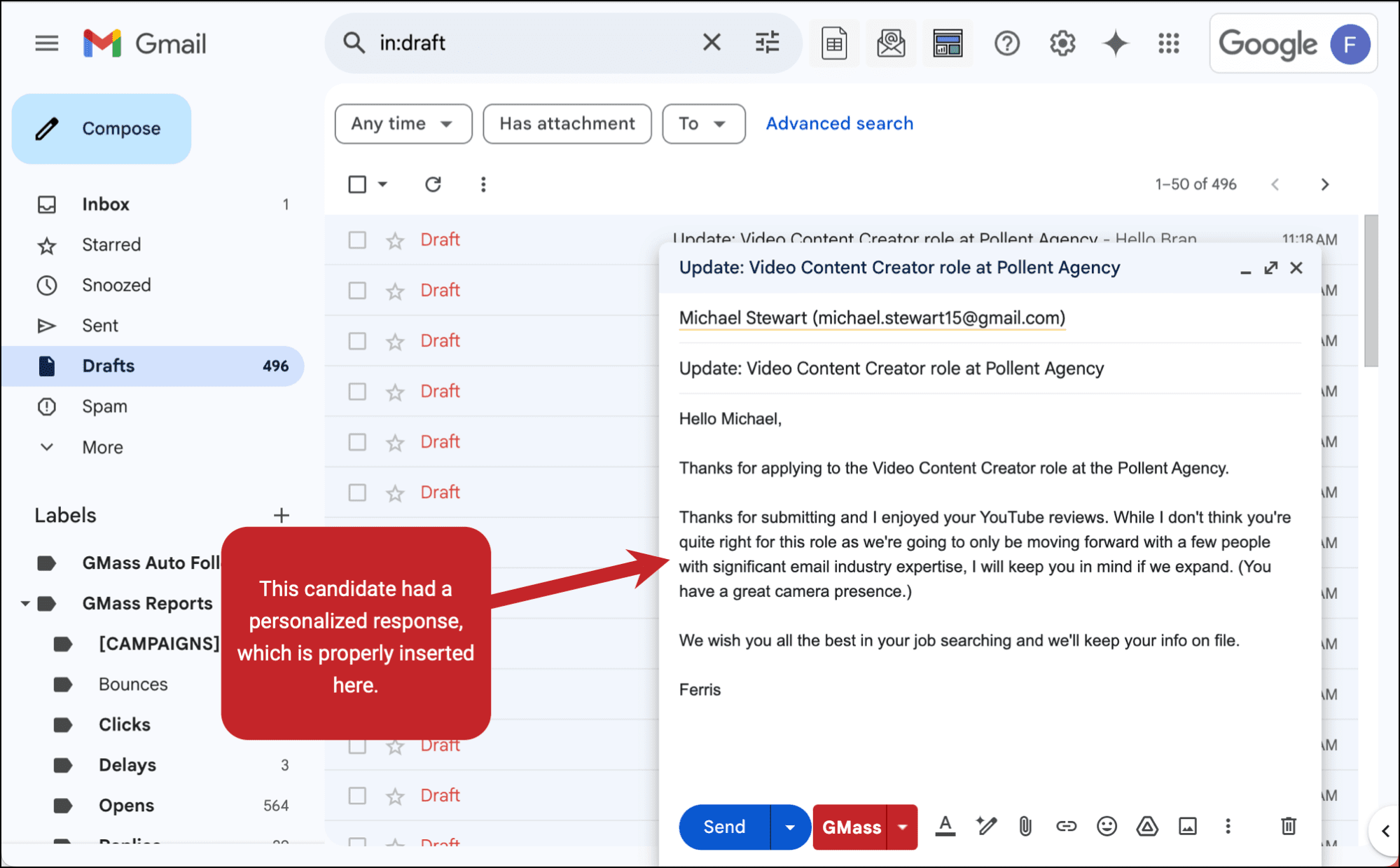
In business, rejection often arrives quietly. It lands in your inbox without drama, wrapped in polite language and corporate finality. “We’ve decided to move in another direction.” For many founders and professionals, that email feels like a verdict. But the truth is more nuanced. An email rejection is rarely a reflection of your ultimate potential. More often, it is a snapshot of timing, priorities, and context that may change.
This is the story of an email rejection that did not turn into a yes the next day or even the next year. It took years. Along the way, skills matured, markets shifted, and credibility compounded. When the yes finally came, it was not because the rejection was wrong. It was because the person receiving it had grown into a different opportunity. For entrepreneurs, this pattern is more common than we admit.
The First No: A Door Closed Too Early
Early in many careers, rejection feels personal. Psychologically, humans tend to equate opportunity with identity. When an investor, editor, or hiring manager says no, it feels like a statement about worth rather than fit.
Research from Harvard Business School shows that over 65 percent of venture-backed founders were rejected multiple times before securing their first major deal. The most common reason was not a weak idea but perceived lack of readiness. At the time, the business model felt unproven, the founder inexperienced, or the market too small.
Consider the early pitch decks of companies like Airbnb. Multiple investors passed in 2008, citing concerns about scalability and trust. Those rejection emails are now part of startup folklore. The ideas did not change overnight. The context did.
The lesson is uncomfortable but critical. Many rejections are accurate in the moment.
What Most People Get Wrong About Rejection
The biggest mistake after rejection is disappearance. People retreat. They stop updating, stop building, and quietly remove the rejected contact from their mental map. In doing so, they break the very feedback loop that turns no into yes.
Rejection is data. It tells you where the gap is today. Is it traction? Storytelling? Proof of execution? Network strength? According to a 2023 LinkedIn Workplace Confidence survey, professionals who followed up with updates after rejection were 42 percent more likely to receive future opportunities from the same organization.
This does not mean pestering. It means professional persistence. A quarterly update. A short note sharing progress. A public signal of growth.
Silence, not rejection, is what kills opportunity.

The Long Middle: Compounding Credibility
Years pass quietly. This is where most success stories lose their audience. No headlines. No applause. Just work.
Skills sharpen. Projects stack. Failures teach nuance. Networks deepen. What changes is not only competence but perception. In business, credibility compounds like interest. Each successful execution reduces perceived risk.
Take the case of Jack Ma. He was famously rejected from dozens of jobs, including KFC. Those rejections were real and rational at the time. Years later, the same institutions sought his partnership. Not because they were wrong before, but because he had become different.
The middle years are where rejection transforms from a scar into an asset. It gives context to growth.
When the Yes Finally Comes
The yes often arrives casually. Sometimes from the same person who once said no. Sometimes from someone sitting in the same organization. The email is shorter. The tone warmer. The power dynamic subtly shifted.
By then, the yes feels less intoxicating than expected. Confidence has replaced desperation. You are no longer asking to be chosen. You are evaluating alignment.
This is a critical psychological shift. According to psychologist Carol Dweck’s research on growth mindset, individuals who reinterpret rejection as a developmental signal rather than a personal failure show significantly higher long-term performance.
The delayed yes is not validation of your past self. It is recognition of your present one.
Why Timing Beats Talent
Business rewards timing more than brilliance. Markets mature. Budgets expand. Leadership changes. What was once risky becomes strategic.
In 2015, many enterprises rejected remote-first solutions. By 2021, those same companies scrambled to adopt them. Founders who were early faced rejection. Founders who stayed ready caught the wave.
An email rejection is often less about you and more about now.
Understanding this reframes resilience. You are not waiting for approval. You are waiting for alignment.
Turning Rejection Into Strategic Leverage
- Here is how experienced entrepreneurs treat rejection:
- Document the feedback. Not emotionally, but structurally. What was missing?
- Stay visible. Publish, build, ship. Let progress speak.
- Update selectively. One or two meaningful milestones a year is enough.
- Detach ego. The goal is progress, not validation.
- Outgrow the original ask. When you return, bring a bigger vision.
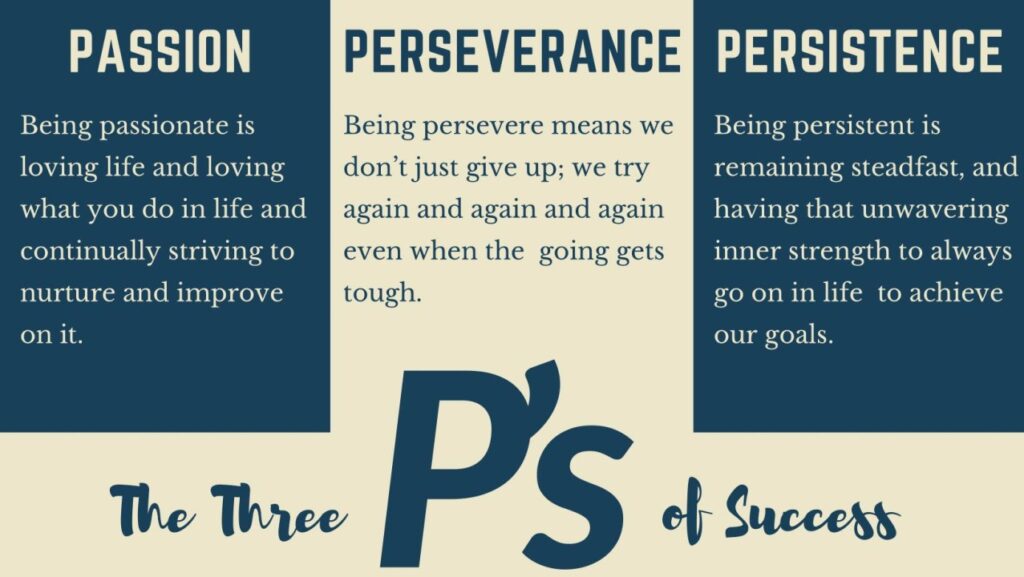
- Rejection handled well becomes narrative capital. It signals persistence, maturity, and long-term thinking.
Conclusion: The Email That Ages With You
That rejection email does not disappear. It sits in an archive, quietly aging alongside you. Years later, when you read it again, it feels smaller. Less definitive. Almost useful.
In entrepreneurship and careers alike, rejection is rarely the opposite of success. More often, it is an early chapter. The yes that comes later is not luck. It is the compound result of patience, preparation, and perspective.
If you received a rejection today, do not rush to erase it. Let it mark the starting line, not the finish.
FAQ: Email Rejection and Long-Term Success
1. Does an email rejection mean I should stop pursuing the opportunity?
No. It means the opportunity is not aligned right now. Reassess, improve, and revisit when circumstances change.
2. How long should I wait before following up after rejection?
Typically three to six months, unless advised otherwise. Updates should be value-driven, not emotional.
3. Is it common for people to say yes after rejecting you once?
Yes. Especially in business and investing, where timing and proof matter more than first impressions.
4. How do I respond professionally to a rejection email?
Thank them, ask for brief feedback if appropriate, and leave the door open for future interaction.
5. What is the biggest mistake people make after rejection?
Disappearing completely. Growth is invisible if no one sees it.