Luxury brands may sell handbags, watches, or even hotel experiences, but their real product is something far more intangible: perceived value. The world’s most coveted luxury houses operate on an economic model that looks irrational from the outside yet is meticulously engineered to drive massive profit margins. They combine scarcity, craftsmanship, storytelling, and cultural capital to turn products into symbols of status and aspiration.
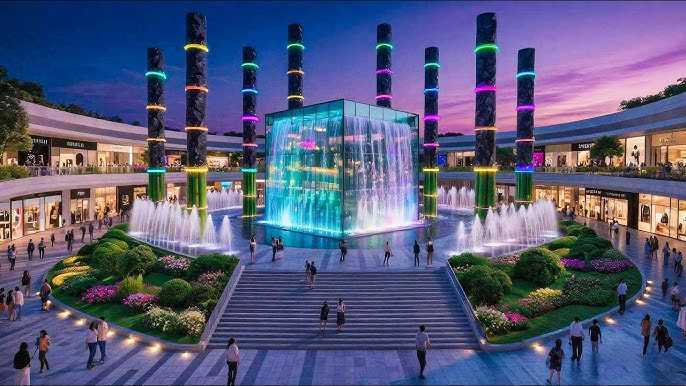
From Parisian ateliers to high-end malls in Dubai and Shanghai, the luxury sector has grown into a trillion-dollar ecosystem powered by global wealth expansion, influencer culture, and the psychology of desire. This article uncovers the hidden economics that make luxury brands some of the world’s most profitable businesses and why consumers willingly pay 10 times more for an item than its production cost.
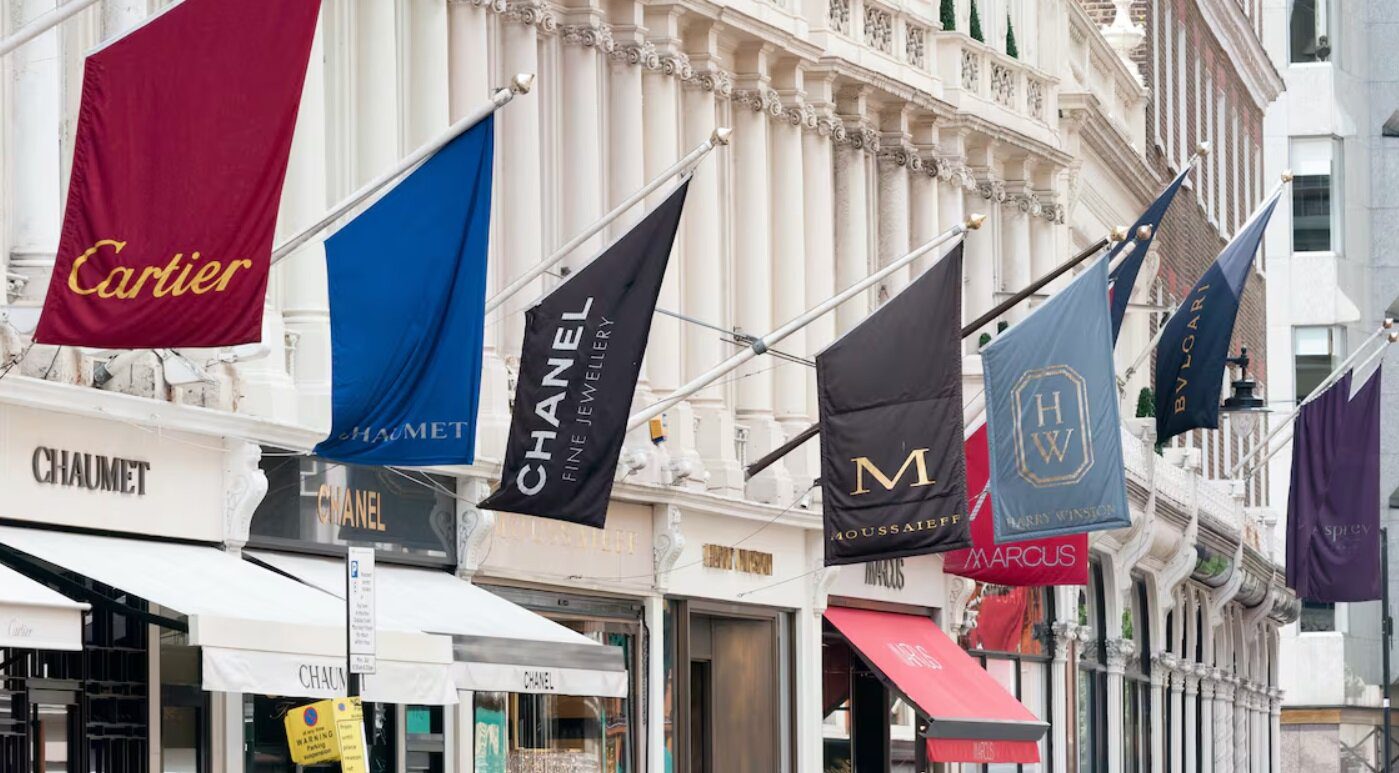
Why Luxury Pricing Defies Logic but Drives Profit
Luxury pricing is famously disconnected from manufacturing cost. A leather bag that costs 250 dollars to produce can retail for 5,000 dollars or more. This isn’t arbitrary; it’s strategic. Luxury brands follow the Veblen effect, where demand increases as the price rises because the high cost itself signals exclusivity.
A 2023 Bain & Company report noted that the global luxury market reached more than 1.5 trillion dollars, driven primarily by affluent consumers who see high prices as a feature, not a bug. The higher the price, the stronger the brand’s ability to maintain its elite position.
Case Study: Hermès Birkin Bags
Hermès famously limits supply, increases craftsmanship, and rarely discounts. As a result, many Birkin models appreciate in value, sometimes outperforming gold. This reinforces Hermès’ ultra-premium pricing power and long-term brand equity.
Expert Insight:
As luxury analyst Luca Solca stated in a recent interview, luxury brands “sell dreams, not goods,” and dreams have no fixed price.
Scarcity Engineering – The Backbone of Luxury Demand
Scarcity is not an accident; it is a controlled economic lever. Luxury brands carefully balance supply and demand to cultivate desirability. Limiting output ensures products remain culturally scarce, even if demand is high.
Types of Scarcity Used by Luxury Brands:
- Production scarcity – Slow craftsmanship limits output intentionally.
- Availability scarcity – Exclusive boutiques, waitlists, and VIP access.
- Seasonal scarcity – Limited editions and capsule collections.
The psychology is clear: people want what others cannot easily have. This taps into a global mindset, especially visible in rapidly growing luxury markets across Asia, where exclusivity is often intertwined with social status.
Data Point:
According to McKinsey, over 70 percent of luxury purchases globally are influenced by “social signaling,” making scarcity a powerful driver of sales.
The Global Power of Storytelling and Heritage
Luxury brands thrive on narratives, not products. A watch becomes a legacy item. A scarf becomes Parisian chic. A car becomes the definition of prestige. This gives luxury houses pricing power that far exceeds their functional value.
Core Elements of Luxury Storytelling:
- Origin myths (e.g., founder stories, artisanal roots)
- Cultural symbols (craftsmanship, rarity, heritage)
- Design consistency (logo recognition, signature styles)
- Iconic ambassadors (celebrity and influencer partnerships)
Example: Louis Vuitton
LV’s monogram is more than a logo; it’s a global cultural icon. The brand pairs craftsmanship with collaborations from artists like Yayoi Kusama to stay modern while protecting its heritage.
Expert Quote:
Brand strategist Ana Andjelic notes, “Luxury brands are meaning-making machines,” translating cultural influence into economic value.
Why Luxury Consumers Behave Differently Worldwide
Luxury demand isn’t uniform; it changes by region. Wealth growth in emerging markets has reshaped the global landscape, making Asia the fastest-growing luxury consumer base.
Regional Insights:
- China: Symbolic consumption dominates; luxury goods signal success, social mobility, and cultural modernity.
- Middle East: High purchasing power fuels demand for jewelry, fashion, and hospitality-focused luxury.
- Europe: Heritage-focused buyers value craftsmanship and brand history more than fast consumption.
- North America: Luxury is increasingly tied to personal identity, wellness, and lifestyle experiences.
Data Point:
The Boston Consulting Group found that millennials and Gen Z account for more than 70 percent of global luxury market growth, driven by social media visibility and lifestyle aspiration.
Retail Strategy – Why Luxury Stores Feel Like Temples
Luxury boutiques are designed to slow the shopping experience, increase emotional engagement, and elevate perceived value. From marble floors to personal stylists, every decision is economic.
Luxury Retail Economics Include:
- High-margin upselling in boutique environments
- Experiential design increasing purchase likelihood
- Tiered customer access (VIP lounges, private rooms)
Case Example: Chanel
Chanel limits purchases of certain bags to maintain exclusivity while expanding high-touch boutique experiences worldwide. This strategy reinforces scarcity and protects long-term pricing.
Data Point:
A Deloitte study found that luxury shoppers are 60 percent more likely to make a purchase after engaging with personalized in-store service.
Conclusion: The Future of Luxury Economics
The luxury sector is undergoing a transformation powered by digital platforms, global wealth shifts, and new sustainability expectations. Yet its core economics scarcity, storytelling, and status remain unchanged. As luxury expands into experiences, wellness, and digital goods, the brands that master cultural relevance while protecting exclusivity will dominate the next decade.
For entrepreneurs and business leaders, the luxury industry offers a masterclass in pricing power, brand equity, and emotional influence. In a world where everyone competes for attention, luxury brands prove that the most valuable currency is desire.