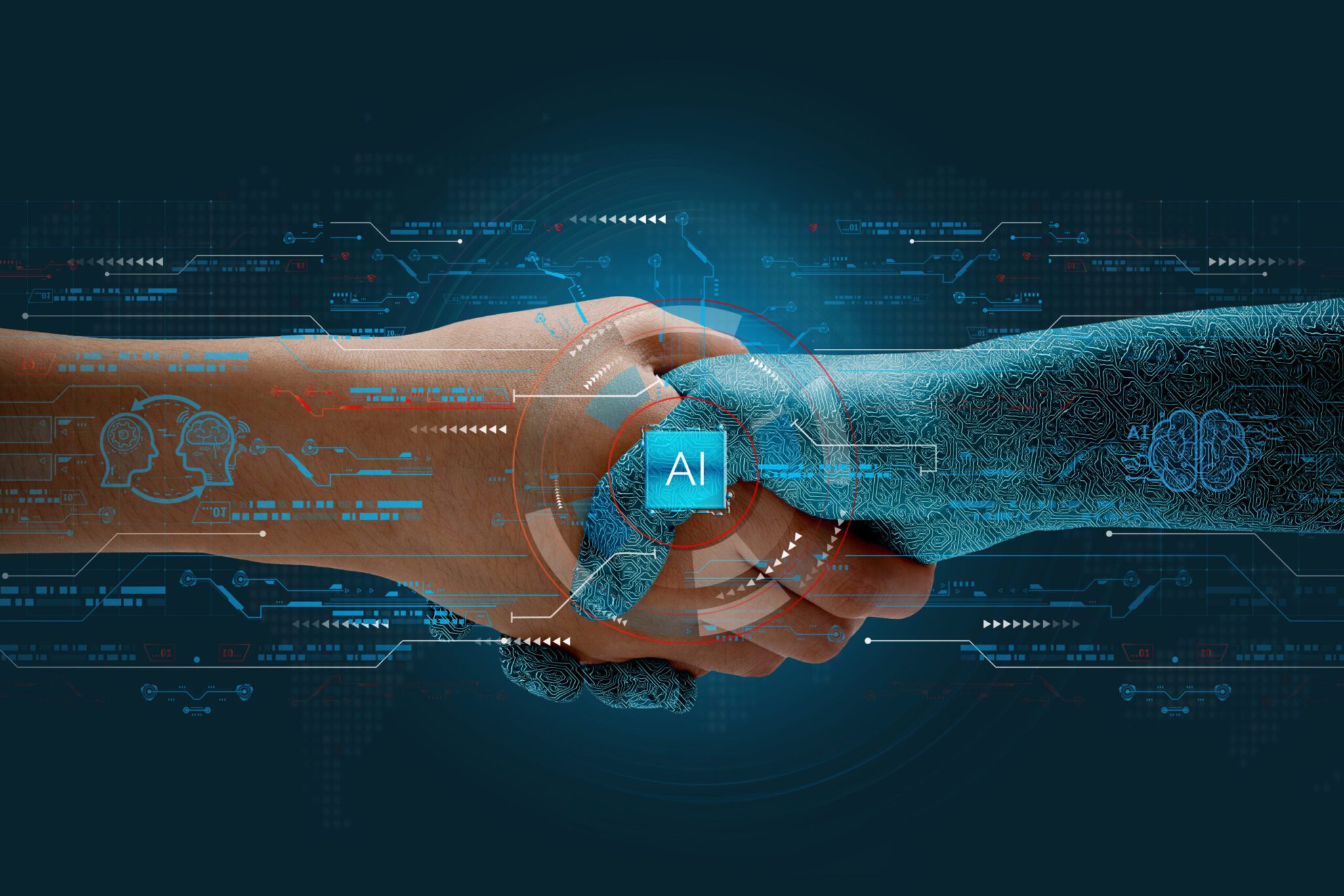
Artificial intelligence is no longer a futuristic add-on. It has become the default operating layer of modern business. From supply chains to creative industries to national governance, AI is shifting how value is created and who creates it. Yet as automation accelerates, a counterintuitive truth emerges: the more we automate, the more human skills matter. What distinguishes leaders and organizations in an AI-first world is not their ability to deploy algorithms, but their ability to integrate technology with judgment, creativity, ethics, and empathy. This article explores the evolving relationship between humans and AI, and outlines the new competencies required to thrive in an era defined by intelligent machines.
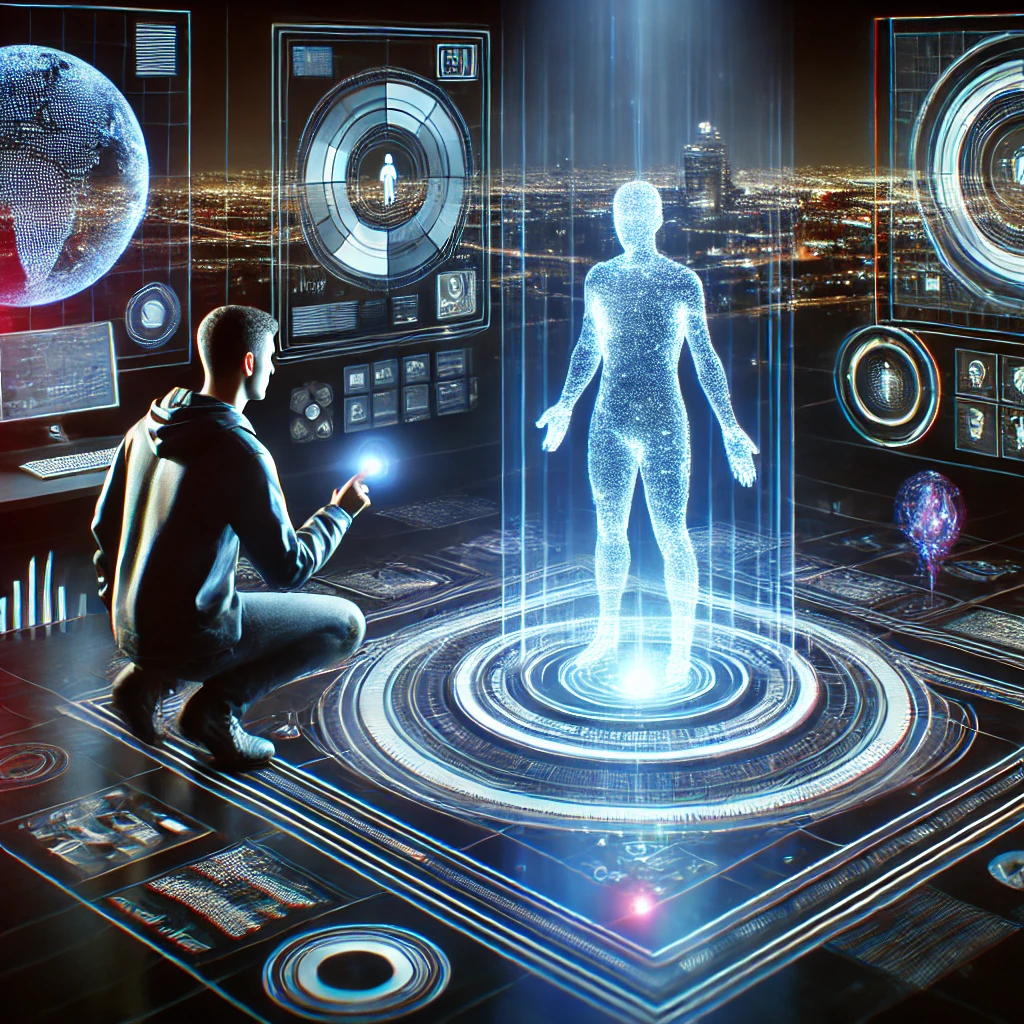
Humans at the Center: Why AI Elevates, Not Replaces, Human Judgment
AI excels at pattern recognition and high-volume decision processing, but it still lacks contextual reasoning or lived experience. According to a 2024 McKinsey survey, companies that combine AI with human oversight outperform those relying on automation alone. This is because human intervention reduces risk and adds interpretive value in ambiguous situations.
Businesses increasingly position humans not as operators but as orchestrators. For example, in financial risk management, AI can analyze millions of transactions in seconds, but it takes skilled analysts to interpret anomalies, understand regulatory implications, and communicate risks to stakeholders. The relationship echoes aviation: autopilot handles the routine, but pilots remain responsible for judgment in unpredictable conditions.
As AI scales, human responsibility grows. Organizations must treat human oversight as a strategic asset, not a compliance necessity.
Creativity and Strategy: The Last Mile AI Cannot Cross
Creativity might be the most resilient human advantage in an AI-first economy. While large language models can generate content, they cannot create context, intention, or original vision without human framing. A 2023 Adobe study found that 72 percent of top-performing creative teams reported increased productivity with AI assistance, but human direction remained essential for brand coherence and storytelling.
In strategy, this dynamic is even clearer. AI can simulate scenarios and forecast trends, but only leadership can align those insights with mission, culture, and long-term impact. Strategic decisions require balancing opposing priorities, navigating human emotions, and making tradeoffs that involve values, not just data.
Companies like Unilever and Toyota have coined the term augmented strategy: the practice of pairing AI analytics with cross-functional decision councils. This hybrid model accelerates decision-making while preserving human intuition.
Emotional Intelligence and Relationship-Driven Leadership
As automation spreads, emotional intelligence replaces technical skill as the key differentiator. AI cannot build trust, mentor employees, negotiate partnerships, or manage crises with genuine empathy. Leaders who excel in these areas drive stronger performance; Gallup’s 2024 Workplace Report shows that teams with emotionally intelligent managers are 23 percent more likely to exceed performance goals.
In customer-facing sectors, the human premium is especially high. Luxury hospitality brands have adopted AI for concierge tasks, but human hosts remain central because customers value warm, empathetic interactions. Similarly, in healthcare, AI diagnostics improve accuracy, yet patient satisfaction rises most when AI augments, not replaces, human care.
The future of leadership requires combining technological fluency with timeless human qualities: empathy, listening, adaptability, and cultural intelligence.
Lifelong Learning and Adaptability as Core Competencies
AI transforms the skills economy faster than traditional education systems can adapt. The World Economic Forum projects that 44 percent of worker skills will be disrupted within five years. This makes lifelong learning not an advantage, but a survival strategy.
Professionals now need meta-skills: learning to learn, critical thinking, digital collaboration, and prompt engineering. Companies like Google and Siemens have introduced internal AI academies to ensure continual upskilling, focusing not only on technical modules but also on decision-making, ethics, and responsible AI practices.
Adults who embrace iterative learning cycles enjoy a compounding advantage, while rigid specialists fall behind. In an AI-first world, adaptability is the new literacy.
Ethics and Trust: A Human-Led Competitive Advantage
AI systems can scale faster than ethical frameworks, creating real risks around privacy, fairness, and bias. Trust becomes a differentiator. Businesses that prioritize responsible AI earn consumer loyalty and regulatory goodwill.
A 2023 Deloitte study reported that 70 percent of global consumers trust brands more when they provide transparency about AI usage. Human judgment is indispensable in defining ethical boundaries, interpreting regulations, and embedding values into technology.
Forward-thinking organizations create cross-functional AI governance boards, combining legal, technical, and cultural perspectives. This ensures AI enhances human dignity rather than undermines it.
Global Perspectives: The Human Role Across Regions
Different regions interpret the human role in AI uniquely.
• North America emphasizes innovation and enterprise adoption, with humans directing strategic oversight.
• Europe focuses on ethical and regulatory stewardship, elevating human governance.
• Asia, particularly China and South Korea, prioritizes rapid integration of AI in daily life while investing heavily in STEM talent development.
• Emerging markets leverage AI as a leapfrogging tool, empowering entrepreneurs to build global businesses without traditional infrastructure.
Despite these differences, one theme is universal: AI is a multiplier of human capability, not a replacement for it.
Conclusion: A Future Built With Humans, Not Without Them
The AI-first world is not a zero-sum game between humans and machines. Instead, it is a partnership defined by complementary strengths. The future will reward professionals who embrace technology while doubling down on creativity, empathy, ethics, and strategic reasoning. For businesses, the imperative is clear: invest in AI, but invest even more in people. Intelligent systems may power the next era of global innovation, but humans will continue to lead it.