
A new generation of visionary entrepreneurs is redefining what it means to build a successful business in the 21st century. Known as green founders, these leaders are creating companies that align profit with purpose, transforming sustainability from a niche priority into a mainstream competitive advantage. From circular supply chains to carbon-negative materials and AI-driven climate solutions, their innovations are reshaping industries at a global scale.
As climate challenges intensify, investors, consumers, and governments are rallying behind sustainable innovation like never before. According to the International Energy Agency (IEA), global investments in clean energy surpassed 1.8 trillion dollars in 2023, signaling a turning point in global markets. Green founders are seizing this moment to build ventures that not only withstand future disruptions but actively help solve them. This article explores the strategies, technologies, and success stories driving this new era of entrepreneurial leadership.
The Rise of Green Entrepreneurship
Green entrepreneurship has moved from the fringes of the business world into the center of economic growth. Several global forces are propelling this shift.
First, climate urgency has placed enormous pressure on companies and governments to reduce carbon emissions. The Intergovernmental Panel on Climate Change (IPCC) highlights the need for rapid decarbonization across industries to limit global warming. Second, consumer expectations are reshaping markets. A 2023 Deloitte study found that 55 percent of global consumers are willing to pay more for sustainable products. Third, investors are increasingly directing capital toward ESG-driven ventures.
Green founders are responding with bold solutions that tackle environmental issues directly. Whether they work in energy, fashion, food, or technology, their missions share a common goal: create scalable impact by embedding sustainability at the core of their business operations.
Climate Tech: A Hotbed of Innovation
Climate technology has emerged as one of the fastest-growing sectors for sustainable startups. From renewable energy breakthroughs to carbon capture, green founders are pushing scientific and engineering boundaries.
One notable example is Climeworks, co-founded by Jan Wurzbacher and Christoph Gebald. The company is pioneering direct air capture facilities that remove CO2 from the atmosphere, offering businesses carbon-neutral pathways. Meanwhile, solar innovators like the founders of Enphase Energy have made substantial advancements in microinverter technology, helping solar power scale more efficiently and cost-effectively.
Investment trends reinforce this momentum. According to PwC’s 2023 State of Climate Tech Report, early-stage climate tech funding reached over 32 billion dollars, driven by investor appetite for long-term, resilient innovation. Green founders focusing on energy storage, hydrogen, and smart grids are attracting particular attention, as these technologies underpin the transition toward a clean energy economy.
Building Circular Business Models
Circular business models have become a hallmark of many sustainability-driven startups. Instead of the traditional take-make-dispose system, circular models prioritize reuse, repair, recycling, and regeneration.
Brands like Patagonia, led by founder Yvon Chouinard, pioneered this movement by embedding environmental responsibility into every stage of production. Newer startups are taking the baton even further. For example, Stuffstr, founded by John Atcheson, enables consumers to resell or recycle their clothing directly from retail apps. Another standout is Loop, a global reuse platform that partners with major brands to offer refillable packaging.
Data from the Ellen MacArthur Foundation shows that circular solutions could unlock up to 4.5 trillion dollars in economic value by 2030. Green founders who adopt circularity are not only reducing waste but also building stronger customer loyalty and cutting operational costs.
Sustainable Food Systems and AgriTech
Food production is responsible for roughly one-third of global greenhouse gas emissions, making sustainable food systems an urgent priority for green innovators. Entrepreneurs in agri-tech, alternative proteins, and regenerative agriculture are leading the charge.
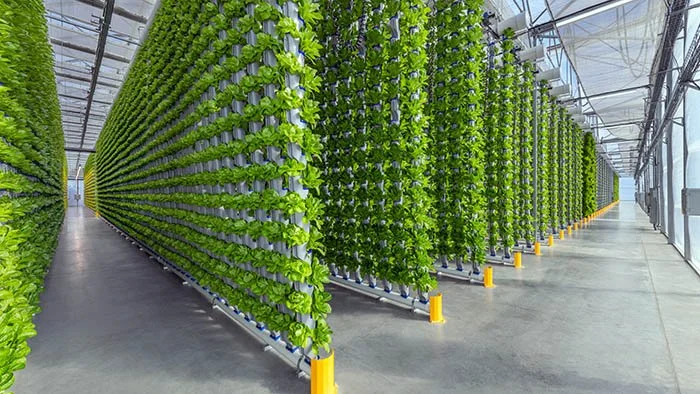
For instance, Impossible Foods, founded by Patrick Brown, introduced plant-based meat products that dramatically reduce land and water use compared to traditional beef. Similarly, agri-tech startups like AeroFarms are using vertical farming technology to grow produce using up to 95 percent less water than conventional agriculture.
According to the FAO, global demand for food will rise by 70 percent by 2050. Green founders focusing on sustainable food technology are positioned to meet this challenge while lowering the environmental footprint of the entire supply chain.
The Role of Digital Innovation in Sustainability
Digital technologies such as artificial intelligence, blockchain, and the Internet of Things (IoT) are accelerating the impact of sustainable entrepreneurship. Green founders are harnessing these tools to improve efficiency, track emissions, and scale solutions transparently.
Carbon accounting platforms like Watershed, founded by Taylor Francis and Christian Anderson, allow companies to measure and reduce their emissions with precision. Meanwhile, blockchain-led startups are using decentralized systems to verify supply chain sustainability, reducing fraud and enhancing trust.
Experts from McKinsey estimate that digital solutions could reduce global emissions by 15 percent through optimization and smart systems. This blend of digital innovation and sustainability is creating entirely new categories of green business opportunities.
Funding and Scaling Challenges for Green Founders
Despite rising interest, green entrepreneurs face unique barriers when scaling their ventures. Many solutions require significant upfront capital, lengthy R&D cycles, and complex regulatory approvals. In addition, consumer adoption for new green technologies can be slow.
Yet global funding is steadily expanding. Venture capital firms, sovereign wealth funds, and corporate innovation labs are increasing their sustainability portfolios. Programs such as the European Union’s Green Deal and the United States’ Inflation Reduction Act are injecting billions into sustainable innovation through incentives and grants.
Founders who can navigate these challenges by leveraging partnerships, government support, and global markets have the best chance of scaling successfully. As investor expectations evolve, strong impact measurement and transparent operations are becoming essential components of growth.
Case Studies: Green Founders Making Global Impact
1. Boyan Slat – The Ocean Cleanup
At just 18, Slat founded The Ocean Cleanup, which now deploys large-scale systems to remove plastic from oceans and rivers worldwide. The organization claims it can remove up to 90 percent of ocean plastic by 2040. His work demonstrates how mission-driven innovation can mobilize global communities.
2. Agnes Kalibata – Alliance for a Green Revolution in Africa (AGRA)
Kalibata has championed sustainable agriculture across Africa, helping millions of smallholder farmers increase yields through environmentally conscious practices. Her leadership underscores the importance of region-specific sustainability solutions.
3. Lex Hoefsloot – Lightyear
Lightyear is developing solar-powered electric vehicles designed to travel long distances using clean energy. The company illustrates how green founders are breaking barriers in mobility and transportation.
Conclusion: A Future Defined by Purpose-Driven Innovation
Green founders are redefining the global business landscape by demonstrating that sustainability and profitability can coexist, and even reinforce one another. Their ability to innovate across diverse sectors energy, food, technology, fashion, and mobility signals a monumental shift in how industries operate.
As global challenges intensify, the most successful companies of the future will be those that embed sustainability not as a marketing message but as a core driver of strategy and innovation. For entrepreneurs, policymakers, and investors, the message is clear. The future belongs to those who build with purpose.