Consumers decide whether they trust a brand long before they read the fine print or compare features. Trust forms in milliseconds, driven by subtle cues that signal credibility, consistency, and competence. In an era where global competition is high and attention spans are low, brands that understand these hidden signals win faster, convert more consistently, and retain customers longer.
Across markets from fintech to fashion, the strongest brands speak a silent but powerful language. These signals aren’t accidental; they’re deliberately crafted, rigorously tested, and consistently reinforced. In this article, we’ll break down what those signals are, why they work, and how any business startup or enterprise can implement them to accelerate trust.
The Power of First Impressions in Brand Trust
Consumers process visual and contextual brand cues in less than one second. A study from Google found that visually complex websites were consistently rated as less trustworthy within 50 milliseconds. This is not just about aesthetics; it’s about cognitive ease. When something feels easy to understand, the brain interprets it as safer and more reliable.
High-growth brands like Airbnb, Revolut, and Patagonia build trust by making their first impression unmistakably clean, consistent, and reassuring. They remove friction, eliminate clutter, and present a visual identity that feels intentional. This is especially critical for global audiences, where trust must transcend language.
Key Signals: visual clarity, clean layouts, clear value proposition
LSI keywords: brand perception, consumer psychology, visual identity
Consistency as a Trust Multiplier Across Touchpoints
Brand consistency is one of the strongest signals of trust. According to Lucidpress research, consistent branding can increase revenue by 10 to 20 percent. Consistency reduces cognitive strain, reinforces memory, and creates a predictable experience qualities people subconsciously equate with reliability.
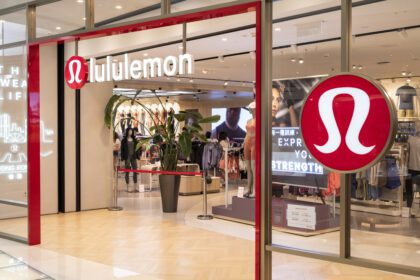
Large multinational brands like IKEA and Apple excel at this. Whether you enter a store in Dubai or Denver, the tone, visuals, and experience feel familiar. This uniformity signals operational excellence and cultural stability.
For startups, consistency is attainable through small disciplined habits: a unified tone of voice, predictable customer service language, and standardized design elements across platforms.
Key Signals: repeatable messaging, tone alignment, predictable service experience
LSI keywords: brand consistency, customer loyalty, trust signals
The Signal of Social Proof: Why People Trust What Others Endorse
People trust people more than they trust brands. Social proof is one of the most influential trust signals, demonstrated by Nielsen’s finding that 88 percent of consumers trust recommendations from people they know, and 63 percent trust influencer messaging.
Brands that excel at social proof make it effortless to see endorsements, testimonials, industry recognitions, and case studies. Dropbox’s early growth soared after incentivizing customers to invite friends. Likewise, Duolingo leverages user milestones and rating visibility to reinforce trust among new learners.
Social proof works because it reduces perceived risk and shows that the brand delivers on its promises in real-world use.
Key Signals: testimonials, certification badges, user metrics
LSI keywords: social proof marketing, brand credibility, user trust
Behavioral Transparency: The New Trust Currency
Modern consumers especially Gen Z and millennials demand transparency. A 2023 Edelman Trust Barometer report showed that 70 percent of customers consider trustworthiness more important than price. Transparency acts as a signal of integrity, from supply chain practices to pricing structures to data handling.
Patagonia openly shares factory conditions and environmental impact metrics. Monzo, the UK digital bank, posts detailed public breakdowns of outages and engineering decisions. These practices disarm skepticism and demonstrate sincerity, transforming transparency into a competitive advantage.
For businesses of any size, transparency can start small: share behind-the-scenes processes, publish clear policies, or provide honest comparisons with competitors.
Key Signals: open communication, ethical clarity, behind-the-scenes visibility
Emotional Resonance: The Invisible Trust Signal
Customers trust brands that reflect their values, aspirations, or identity. Emotional resonance isn’t the loudest trust signal, but it’s the deepest. Research from Harvard Business Review found that emotionally connected customers are 52 percent more valuable than highly satisfied ones.
Brands like Nike, Dove, and Emirates Airlines build emotional resonance by narrating stories that connect to cultural values ambition, confidence, inclusivity, or global connection.
For emerging brands, the path to emotional resonance is authenticity: communicating your mission, showing real people behind the company, and clarifying how you improve lives.
Key Signals: relatable storytelling, shared values, mission clarity
Conclusion: How to Strengthen Your Brand’s Trust Signals Today
Strong brands don’t rely on chance to earn trust. They send deliberate signals that shape consumer perception quickly and powerfully. To build a brand that customers trust instantly, focus on:
• Designing a clear, consistent first impression
• Maintaining brand consistency across every channel
• Leveraging social proof in visible, compelling ways
• Practicing radical transparency
• Creating emotional resonance through purpose-driven messaging
Trust is no longer earned over years. It’s earned in seconds and reinforced through every touchpoint thereafter.