
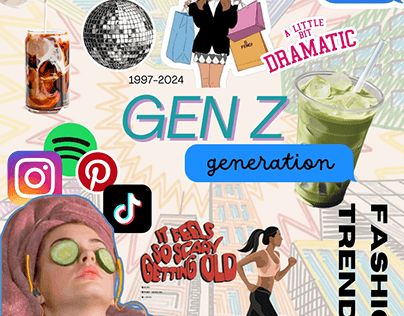
Gen Z, born between the late 1990s and early 2010s, is reshaping the meaning of luxury. In a post-pandemic, climate-conscious world, this generation values authenticity over excess, and integrity over logos. Quiet luxury once the domain of the elite has evolved under Gen Z’s influence into a statement of values rather than wealth.
Unlike their millennial predecessors who flaunted brand-heavy streetwear, Gen Z consumers are embracing subtler signals: high-quality basics, heritage craftsmanship, and sustainability-driven brands. But make no mistake this quiet luxury speaks loudly about what matters to them: transparency, ethics, and inclusivity.
A 2024 Deloitte report reveals that 75% of Gen Z consumers prioritize sustainability when making purchases, and 68% are willing to pay more for ethically produced goods. These numbers highlight a radical shift: luxury is no longer just about exclusivity, but about purpose.

From Status to Substance
The new generation is redefining what it means to look and live luxuriously. For Gen Z, minimalism is not an aesthetic, it’s a mindset. Brands like The Row, Loro Piana, and Totême have become icons of understated elegance, but their appeal extends beyond fabric quality or fit. They represent a deeper alignment with values such as mindfulness and longevity.
Take the rise of the “Stealth Wealth” movement popularized by shows like Succession, which showcased power through restraint rather than opulence. But Gen Z’s interpretation of quiet luxury goes further: it’s about democratizing access to responsible consumption. Digital-native brands such as Pangaia and Everlane have gained cult followings by combining minimalist aesthetics with radical transparency.
According to a McKinsey survey (2023), 60% of Gen Z respondents say they follow brands that align with their personal values on social media. The message is clear style without story is no longer enough.
Loud Values in a Quiet Package
In contrast to the understated tones of their wardrobes, Gen Z’s ethics are loud and proud. They expect brands to take stands on climate change, diversity, and labor rights. In this generation’s eyes, silence equals complicity.
This expectation has birthed a new wave of “activist luxury.” Labels like Stella McCartney have been pioneering sustainable high fashion for years, but now even heritage houses are catching up. Gucci’s Equilibrium initiative and Louis Vuitton’s eco-design commitments show that legacy brands are adapting to meet Gen Z’s moral standards.
Social media amplifies these values. Platforms like TikTok and Instagram have become cultural battlegrounds where quiet luxury aesthetics meet loud discourse. Viral trends such as #CleanGirlAesthetic and #OldMoneyStyle are now infused with conversations about privilege, sustainability, and identity.
Global Voices, Local Values
Gen Z’s quiet luxury isn’t monolithic it’s deeply influenced by local contexts. In Asia, minimalist fashion houses like Muzkin (Korea) and Khadi India reinterpret quiet luxury through cultural sustainability, highlighting local artisans and slow production. In Africa, emerging designers such as Rich Mnisi and Lisa Folawiyo merge traditional craftsmanship with modern silhouettes, proving that luxury and heritage can coexist.
Meanwhile, in the Middle East, the quiet luxury trend intersects with modest fashion. Labels like The Giving Movement (UAE) are championing sustainable athleisure while donating proceeds to humanitarian causes, embodying Gen Z’s ethos of purpose-driven consumption.
This global mosaic illustrates how quiet luxury has become not just a fashion statement, but a worldwide language of values.
The Business of Meaning
Luxury brands that once traded on scarcity are now competing on sincerity. Gen Z’s demand for transparency has forced even the most guarded luxury houses to open up about their supply chains, carbon footprints, and social impact. Bain & Company projects that Gen Z and Millennials will make up 70% of luxury consumers by 2030, meaning that values-based branding isn’t just ethical, it’s essential.
Investors are taking note too. ESG-focused funds are increasingly prioritizing brands with demonstrable sustainability credentials. The fusion of quiet luxury and loud values presents an opportunity for long-term brand equity, not just seasonal relevance.
The Future: Subtle, Sustainable, and Social
As we move deeper into the 2020s, quiet luxury will continue to evolve from a trend into a cultural code. Gen Z is proving that understatement can be powerful when paired with conviction. Their influence is not just reshaping fashion, but redefining what modern success looks like, less about showing off, more about showing up.
For businesses, the takeaway is clear: in the age of loud values, silence is no longer luxurious.