
Marketing in 2025 is not what it was even three years ago. Strategies that once drove engagement and sales like broad email blasts, generic social media posts, and heavy reliance on paid ads are showing diminishing returns. The pace of technological change, evolving consumer expectations, and increasing competition have rendered many traditional approaches obsolete. Businesses clinging to outdated playbooks are seeing reduced ROI, declining engagement, and weakened brand loyalty.
Outdated Tactics Don’t Resonate
Generic campaigns no longer cut through the noise. According to HubSpot’s 2024 State of Marketing Report, 74% of consumers ignore marketing that feels irrelevant. One-size-fits-all approaches—like sending the same newsletter to every customer now risk alienating audiences rather than attracting them. Consumers expect brands to recognize their preferences, needs, and timing.
Consumers Demand Personalization
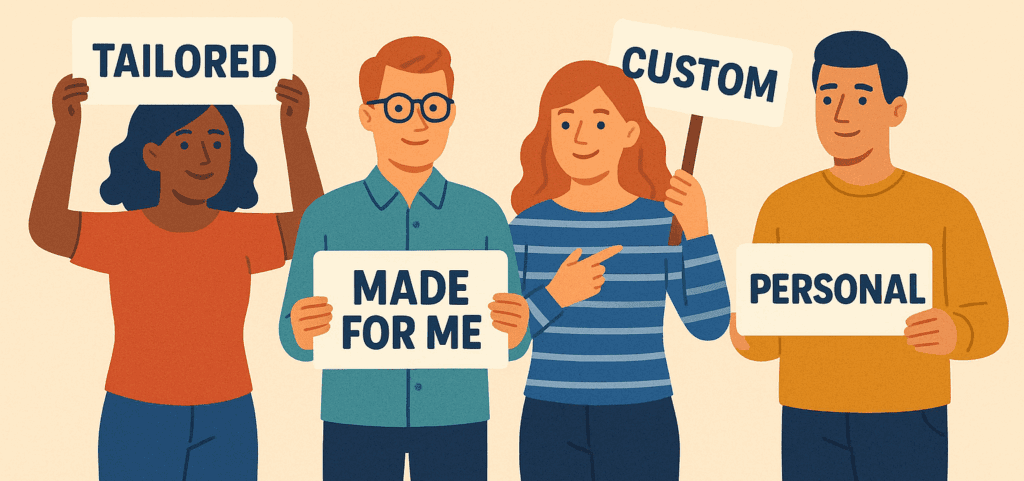
Modern buyers want tailored experiences. McKinsey research shows that 71% of customers expect personalized interactions. Brands like Netflix and Spotify have thrived by mastering recommendation engines that feel uniquely designed for each user. Companies still relying on mass messaging risk falling behind as audiences gravitate toward brands that speak directly to them.
Overreliance on Paid Ads
Paid ads used to guarantee visibility. But with ad fatigue rising and cookie-based targeting phasing out, customers are more likely to skip or block ads. A 2024 eMarketer study found that 65% of consumers use ad blockers regularly. Organic strategies like community building, content marketing, and partnerships are becoming more powerful drivers of trust.
Failing to Integrate AI and Automation
Artificial intelligence has moved from buzzword to business necessity. From predictive analytics to chatbots and automated personalization, AI tools now streamline engagement and improve customer experiences. Brands that ignore these innovations face slower response times, inefficient targeting, and weaker ROI compared to competitors who fully embrace automation.
Neglecting Values and Trust
Customers in 2025 demand more than products; they expect transparency and shared values. A Deloitte survey found that nearly 60% of Gen Z consumers buy from brands aligned with their beliefs. Companies that fail to communicate purpose whether sustainability, inclusivity, or social responsibility risk losing relevance in a values-driven marketplace.

Lack of Omnichannel Cohesion
Modern customers interact across multiple platforms, from TikTok to physical retail. Salesforce reports that 76% of consumers expect consistent experiences across channels. Outdated plans that silo marketing by platform miss opportunities for synergy and risk confusing customers. Successful brands ensure seamless integration across digital and physical touchpoints.
Conclusion
The old marketing playbook mass messaging, overreliance on ads, and ignoring customer values is failing fast. To succeed in 2025, businesses must prioritize personalization, embrace AI, integrate channels, and lead with authenticity. Marketing is no longer about shouting the loudest; it’s about creating meaningful, trust-based connections that resonate with modern buyers.