

Introduction
Build in public has become a defining strategy for a new generation of founders. Instead of working quietly behind closed doors, young founders are choosing to share progress, struggles, metrics, and lessons in real time. Build in public is not about oversharing for attention. It is a deliberate approach to learning faster, building trust earlier, and growing with an audience rather than in isolation. For many young founders, build in public is replacing traditional stealth mode as the default way to start a company.
Understanding why young founders build in public reveals how startup culture itself is changing.
What Build in Public Means
Build in public means documenting the startup journey openly. Founders share what they are working on, what is failing, what is working, and what they are learning. This can include product updates, revenue milestones, user feedback, and personal reflections.
Unlike traditional marketing, build in public focuses on process rather than polish. It invites people into the journey before success is guaranteed. This transparency creates a sense of participation, not just observation.
For young founders, build in public turns building a company into a shared experience.

Why Young Founders Choose to Build in Public
Young founders often lack the advantages of established networks, capital, or brand recognition. Build in public helps close that gap.
By building in public, founders gain visibility without large marketing budgets. They attract early users who feel invested in the product. They receive feedback that would otherwise cost time and money to collect.
A 2024 survey by Indie Hackers found that founders who build in public reached product market fit faster than those who stayed private, largely due to continuous community input.
Build in Public as a Learning Tool
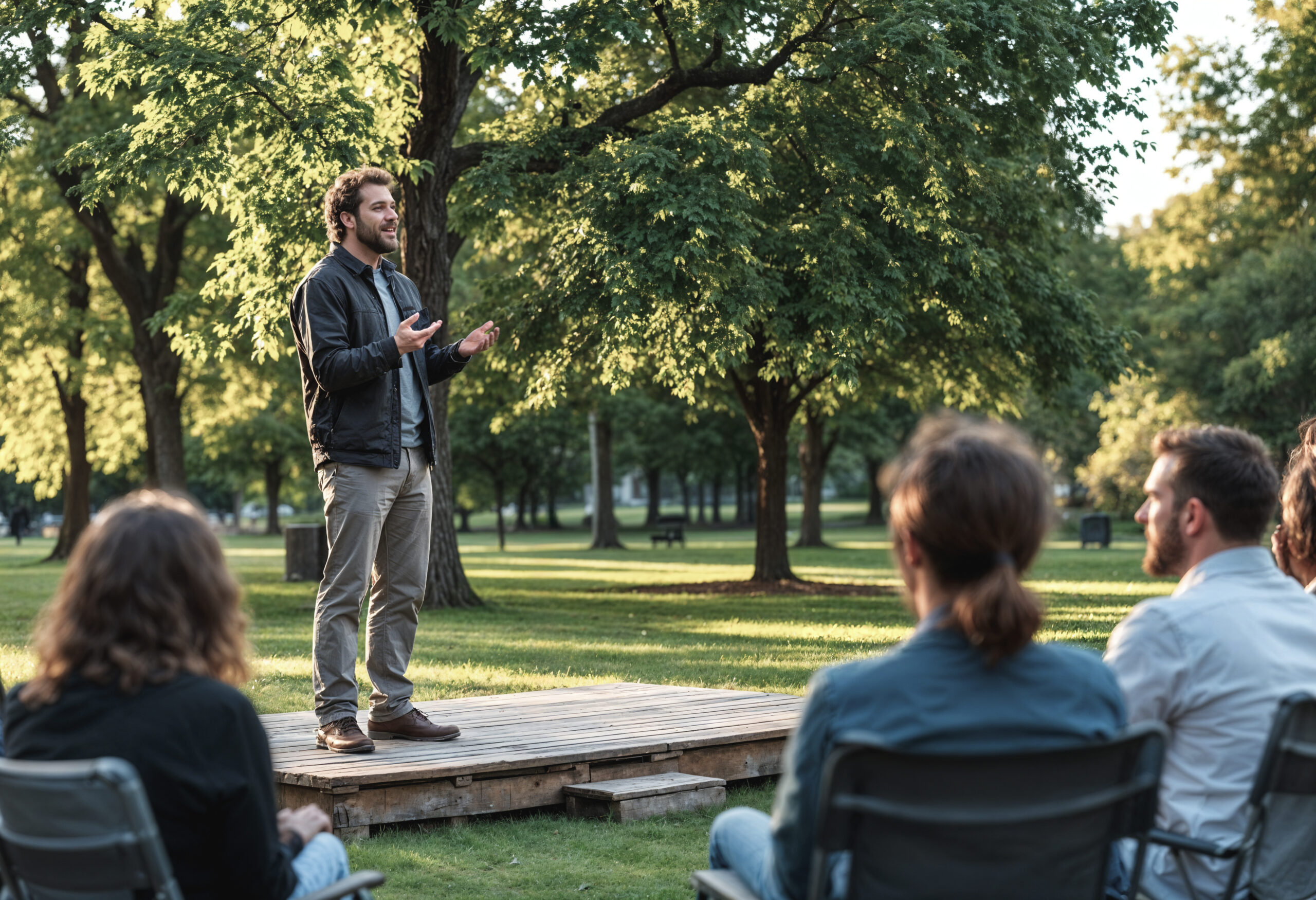
Build in public accelerates learning. When founders share decisions publicly, they invite critique, advice, and alternative perspectives. Mistakes become lessons not just for the founder, but for the audience as well.
Young founders especially benefit from this feedback loop. Instead of repeating common startup mistakes, they learn in real time. Build in public transforms isolation into collaboration.
It also forces clarity. Explaining decisions publicly often reveals gaps in thinking that private reflection misses.

How Build in Public Creates Trust
Trust is hard to earn and easy to lose. Build in public builds trust by showing consistency, honesty, and accountability over time.
When founders share both wins and setbacks, audiences see authenticity. This transparency reduces skepticism and increases loyalty. Customers who follow a founder’s journey feel connected to the mission, not just the product.
In crowded markets, trust becomes a competitive advantage, and build in public creates it organically.
The Career Advantage of Build in Public
Build in public benefits founders even if the startup fails. By documenting thinking, experimentation, and growth, founders create a public track record.
This visibility attracts opportunities. Investors, collaborators, and future employers can see how a founder thinks under pressure. For young founders early in their careers, build in public becomes a long-term asset.
It shifts evaluation from credentials to demonstrated ability.
The Risks of Build in Public
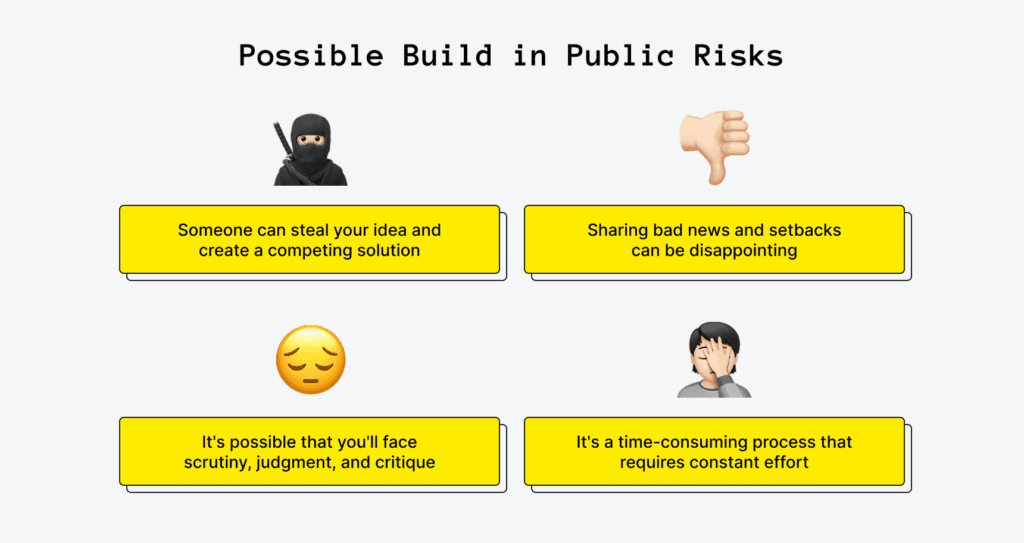
Build in public is not without risk. Oversharing can lead to distraction, criticism, or pressure to perform. Founders may feel compelled to update constantly, even when focus is needed elsewhere.
There is also the risk of copying. Public ideas can be replicated. This is why successful founders who build in public are selective. They share progress and lessons, not sensitive details.
Build in public works best when guided by boundaries.
Why Build in Public Fits Young Founders Specifically

Young founders grew up online. They are comfortable sharing, engaging, and learning in public spaces. For them, build in public feels natural rather than risky.
They also value community over hierarchy. Build in public aligns with how they collaborate, learn, and grow. It turns startup building into a conversation rather than a performance.
This cultural shift explains why build in public is growing, not fading.
How Founders Build in Public Without Losing Focus
Successful founders treat build in public as a system, not a distraction. They set schedules, choose platforms intentionally, and share reflections rather than constant updates.
They use build in public to support the work, not replace it. The goal is clarity and connection, not constant visibility.
When done well, build in public reduces noise instead of adding to it.
Conclusion
Build in public has become a powerful strategy because it aligns with how young founders learn, connect, and grow. It replaces secrecy with speed, isolation with feedback, and marketing with trust.
Young founders who build in public are not chasing attention. They are building credibility one honest update at a time. In a startup world defined by uncertainty, build in public offers something rare: momentum with meaning.