Introduction
Creative algorithms now play a central role in how artists, designers, writers, and content creators work. Creativity no longer exists in isolation from platforms, data, and recommendation systems. Whether posting art online, releasing music, or sharing written work, creatives must balance personal expression with the logic of algorithms that determine visibility. Creative algorithms influence what gets seen, shared, and rewarded, forcing artists to navigate a constant tension between authenticity and optimization.
Understanding how creative algorithms shape modern creativity explains why art looks different today than it did a decade ago.
What Are Creative Algorithms
Creative algorithms are systems that decide how content is distributed, ranked, and surfaced. They do not judge artistic quality in a human sense. Instead, creative algorithms respond to signals like engagement, watch time, clicks, shares, and consistency.
For creatives, this means the success of their work is often influenced by timing, format, and frequency as much as originality. Creative algorithms reward patterns, not intent. This shifts how artists think about their output from isolated pieces to ongoing systems of creation.
Why Creative Algorithms Changed the Creative Process
Before platforms, creativity followed internal rhythms. Artists created, then shared. Today, creative algorithms compress feedback loops. Creators receive instant data on what performs and what disappears.
This has changed the creative process itself. Many creatives now ideate with distribution in mind. They test formats, iterate quickly, and adjust based on performance signals. Creative algorithms push artists to think like product managers of their own work.

Creative Algorithms and the Pressure to Perform
Creative algorithms introduce performance pressure that did not previously exist. Visibility becomes measurable, public, and comparative. Likes, views, and saves act as proxies for validation.
This pressure can distort creative decision-making. Artists may repeat what works instead of exploring what feels meaningful. Creative algorithms encourage consistency, sometimes at the cost of experimentation.
Yet for others, these systems provide clarity. They show what resonates and help creatives reach audiences that were previously inaccessible.
How Creatives Balance Art With Creative Algorithms
Successful creatives develop boundaries. They separate creation from optimization. Art comes first, distribution second.
Many creators use creative algorithms strategically without letting them dictate identity. They experiment within formats while protecting core values. For example, they may adjust length or timing without changing message or style.
This balance allows creatives to benefit from algorithms without becoming trapped by them.
Creative Algorithms and Monetization
Creative algorithms strongly influence income. Visibility affects sponsorships, sales, commissions, and opportunities. Platforms reward creators who understand how to work within algorithmic systems.
As a result, creative algorithms shape not just art, but livelihoods. This raises stakes and increases dependence on platforms. Diversification becomes essential. Creatives build email lists, communities, and direct relationships to reduce algorithmic risk.
The Downsides of Creative Algorithms
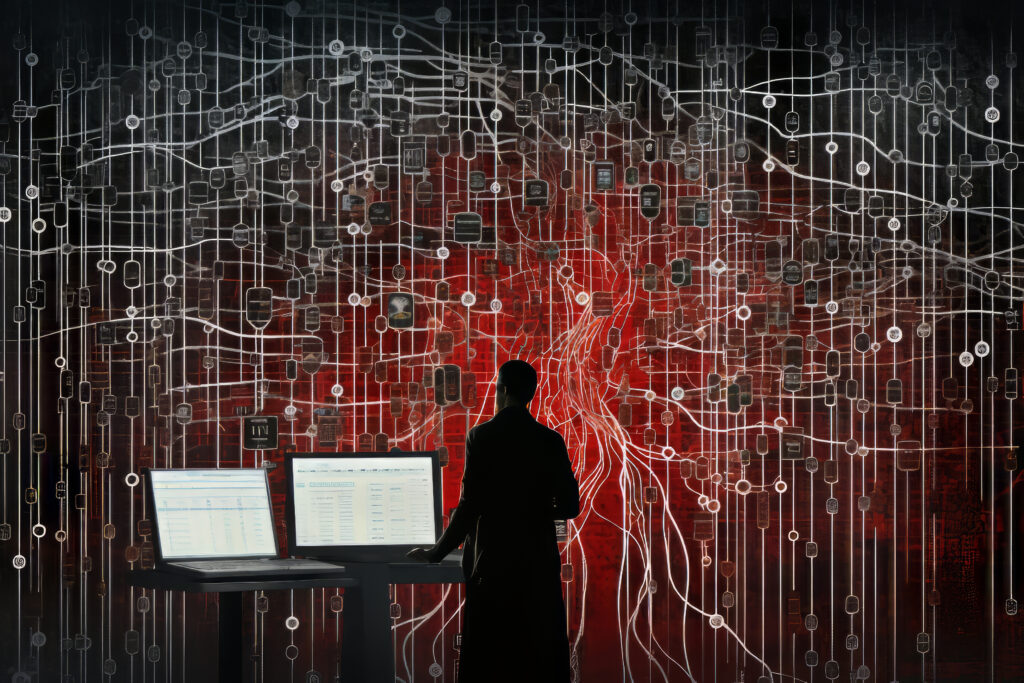
Creative algorithms can lead to burnout. Constant feedback can exhaust motivation. Algorithm changes can erase momentum overnight.
There is also a risk of homogenization. When creative algorithms reward similar formats, originality can suffer. Entire platforms can begin to look the same.
This is why many artists periodically disconnect from metrics to reconnect with purpose.
Why Creative Algorithms Are Not Going Away
Creative algorithms exist because platforms scale content. Human curation cannot keep up. As long as digital distribution dominates, algorithms will remain gatekeepers.
The opportunity lies in literacy. Creatives who understand creative algorithms can navigate them more confidently. The goal is not to beat the system, but to work with it intentionally.
What the Future Looks Like for Creatives and Algorithms
The future favors adaptable creators. Those who can learn, unlearn, and experiment without losing identity will thrive. Creative algorithms will evolve, but the need for human originality will not disappear.
The most resilient creatives treat algorithms as tools, not judges.
Conclusion
Creative algorithms have reshaped how art is made, shared, and sustained. They influence visibility, income, and creative choices, often in subtle ways. Yet they do not eliminate creativity. They challenge it.
Creatives who balance art and creative algorithms thoughtfully can reach wider audiences without sacrificing authenticity. In a world governed by data, the most powerful creative act may be staying intentional.