Introduction
AI product development has permanently changed how products are imagined, built, and improved. What once took months of research, testing, and iteration can now happen in weeks or even days. AI product development is not just a productivity upgrade. It represents a structural shift in how teams make decisions, validate ideas, and respond to users. From startups to global enterprises, AI product development has become the foundation of modern product strategy.
Understanding this shift explains why speed, experimentation, and adaptability now matter more than perfect planning.
What AI Product Development Really Means
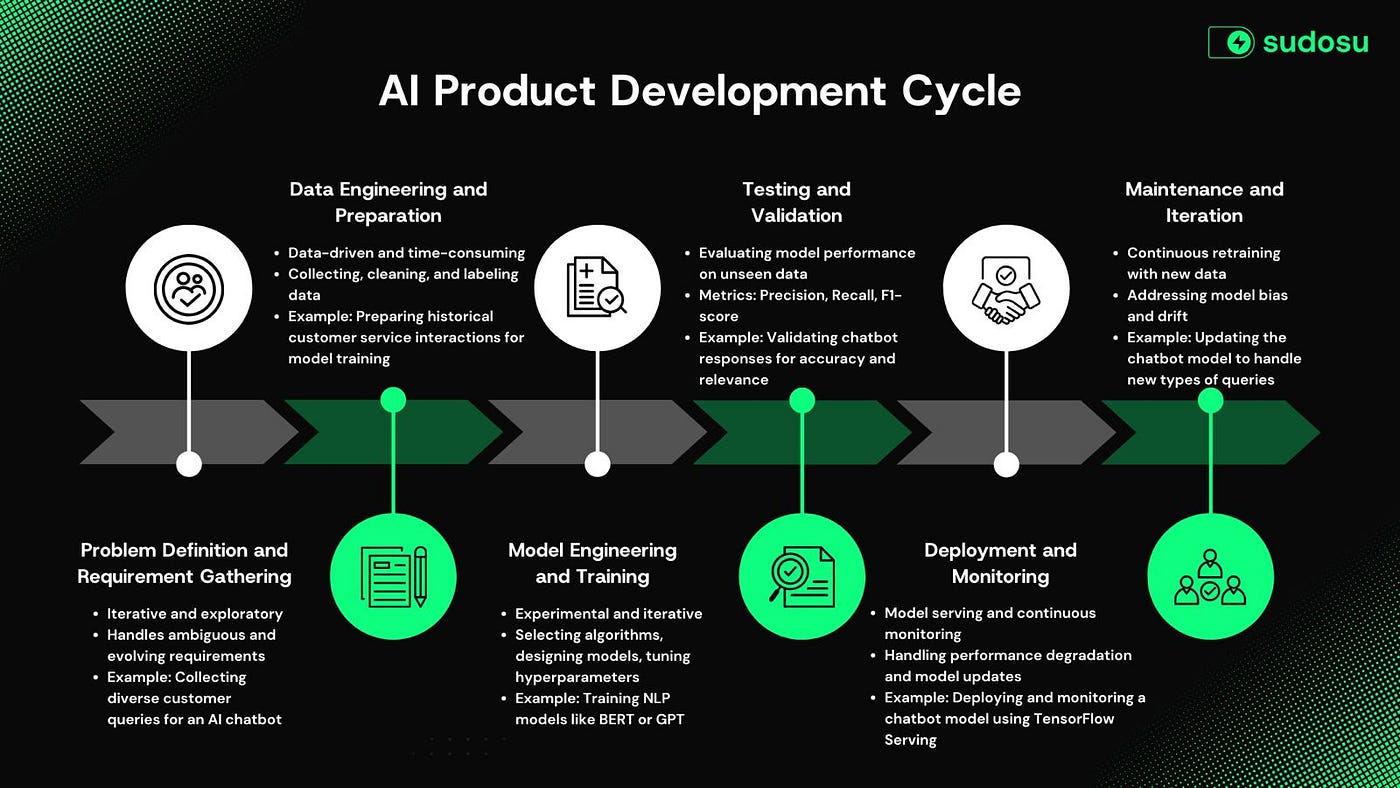
AI product development refers to the integration of artificial intelligence across the entire product lifecycle. This includes idea generation, user research, prototyping, testing, optimization, and iteration.
Unlike traditional automation, AI product development does not just execute tasks. It analyzes patterns, predicts outcomes, and supports decision-making. Product teams no longer rely solely on intuition or historical data. They work with systems that learn continuously.
This fundamentally changes how products evolve over time.

How AI Product Development Changed Speed and Iteration
Before AI product development, iteration was expensive. Teams built features, waited for feedback, and adjusted slowly. Today, AI product development allows teams to simulate outcomes, analyze behavior instantly, and test variations at scale.
User feedback loops that once took weeks now happen in real time. AI models identify friction points, predict churn, and surface insights automatically. According to a 2024 McKinsey report, companies using AI-driven product workflows reduced development cycles by up to 40 percent.
Speed is no longer a competitive advantage. It is the baseline.
AI Product Development and Decision Making
AI product development has shifted decision-making from opinion-driven to evidence-assisted. Product managers can now evaluate thousands of user signals simultaneously.
Instead of debating what users want, teams observe behavior patterns, sentiment analysis, and predictive insights. This does not eliminate human judgment. It strengthens it.
The best teams use AI product development to inform decisions, not replace accountability.
How AI Product Development Changed Team Roles
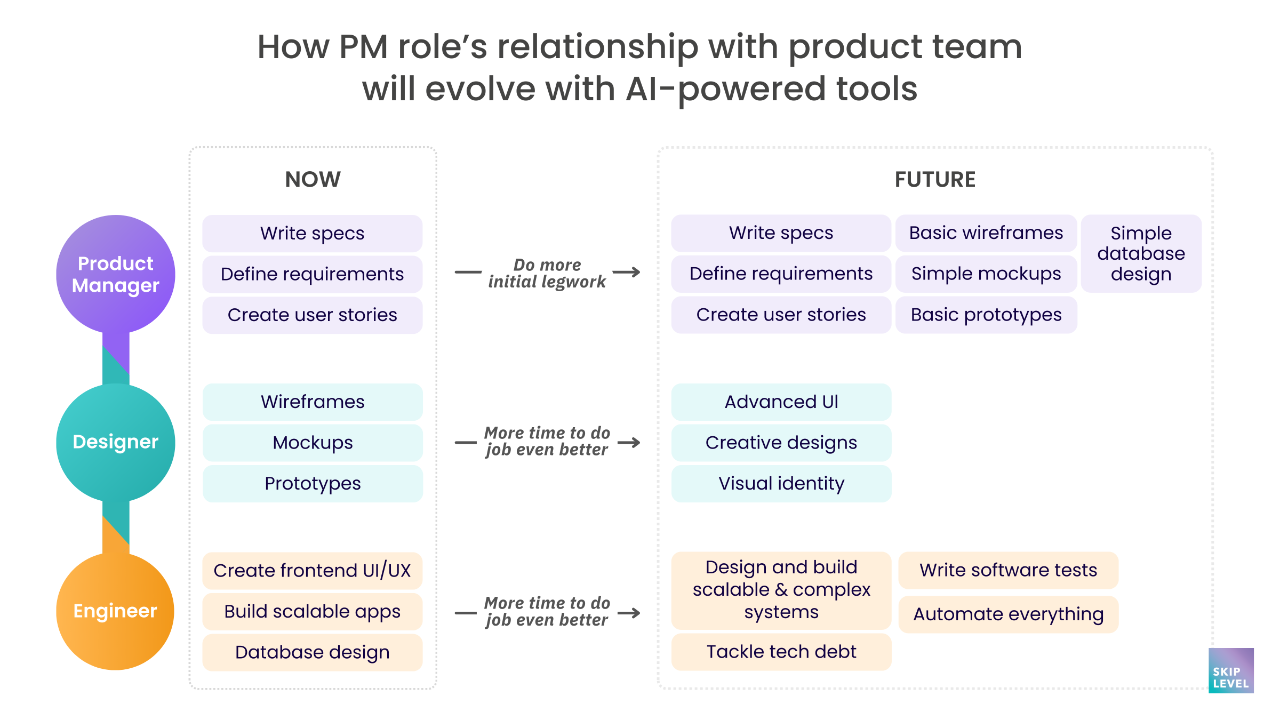
AI product development has reshaped roles across teams. Product managers spend less time gathering data and more time interpreting it. Designers test variations faster. Engineers focus on architecture rather than repetitive implementation.
Even non-technical team members participate more deeply. AI product development lowers the barrier to experimentation, allowing broader collaboration across functions.
This shift favors adaptable thinkers over rigid specialists.
The Impact of AI Product Development on Customer Experience
Products built with AI product development adapt continuously. Personalization improves. Interfaces respond dynamically. Features evolve based on usage rather than assumptions.
Customers now expect products to feel intelligent. Static experiences feel outdated. AI product development makes responsiveness part of the product, not an upgrade.
This raises the bar for every company competing in digital markets.
Where AI Product Development Creates Risk
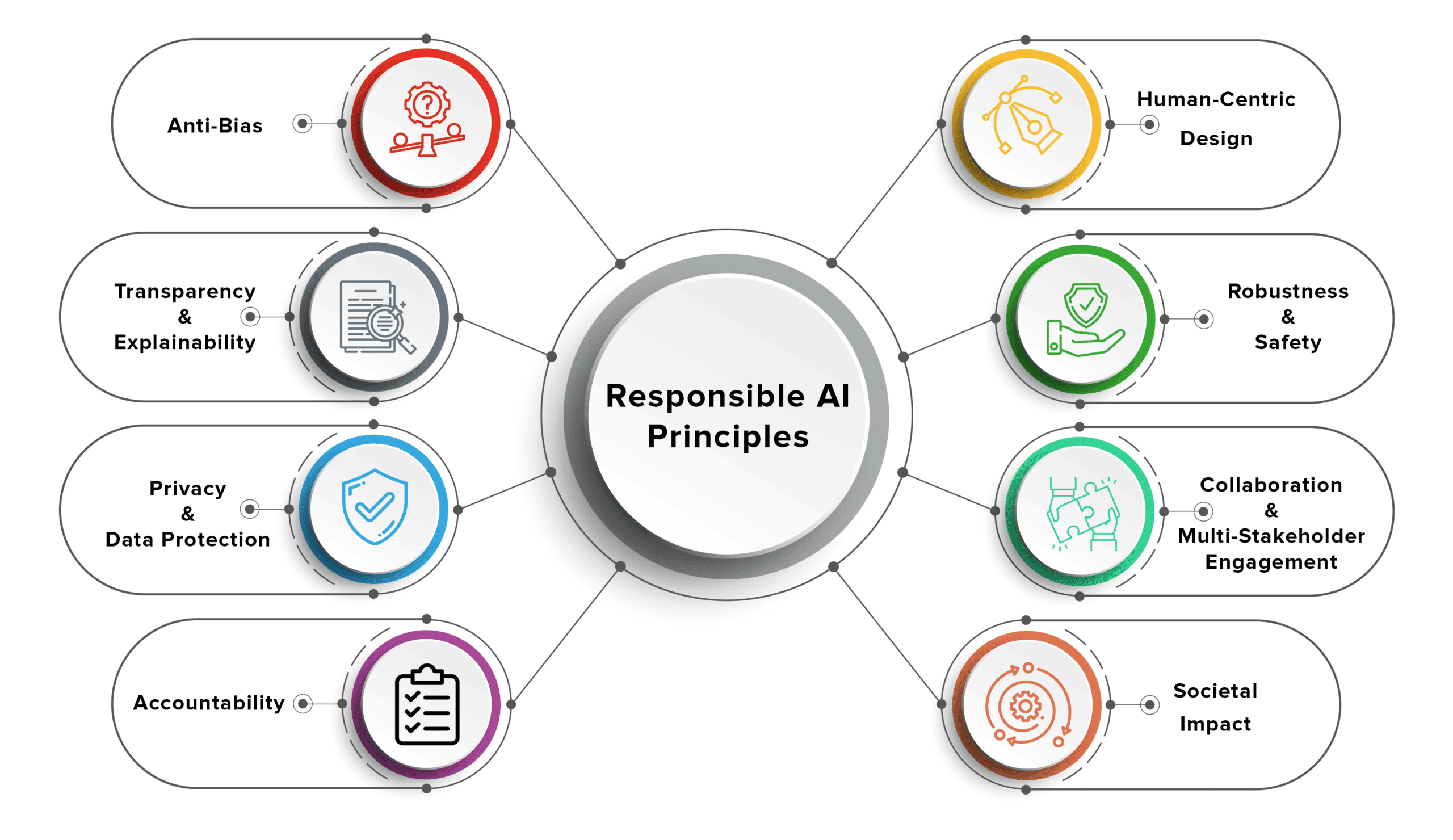
AI product development also introduces risk. Poor data quality, biased models, and over-reliance on automation can damage trust.
Teams must understand what AI can and cannot do. Ethical considerations, transparency, and governance are now product responsibilities, not compliance afterthoughts.
AI product development requires judgment as much as capability.
Why AI Product Development Is Permanent
This shift is irreversible because it aligns with economic reality. Markets move faster. Users expect responsiveness. Competition is global.
AI product development allows small teams to compete with large organizations. It compresses learning curves and rewards experimentation. Once teams experience this leverage, there is no going back.
The question is no longer whether to adopt AI product development, but how well it is implemented.

What Great Teams Do Differently With AI Product Development
Great teams treat AI product development as infrastructure, not magic. They invest in data quality, cross-functional understanding, and clear decision frameworks.
They document assumptions, review AI outputs critically, and continuously refine how humans and machines collaborate. The advantage comes from integration, not novelty.
Conclusion
AI product development has changed product building forever by redefining speed, intelligence, and adaptability. Products are no longer static deliverables. They are living systems shaped by data and learning.
Teams that embrace AI product development thoughtfully will outpace competitors not because they work harder, but because they learn faster. In the future, the best products will not be those built with the most resources, but those built with the smartest feedback loops.