Introduction
Product packaging is often the first and most powerful decision a customer makes about a brand. Before anyone tests the product, reads the ingredients, or compares features, they judge the packaging. In crowded markets where products are increasingly similar, product packaging becomes the deciding factor for attention, trust, and purchase. For many brands, product packaging no longer supports the product. It defines it.
Understanding why product packaging matters more than the product itself explains how modern consumers think, how brands win shelf space, and how perception quietly drives revenue.
What Product Packaging Really Communicates
Product packaging is not just a container. It is a signal. Color, texture, weight, typography, and structure all communicate meaning instantly.
Consumers subconsciously use product packaging to answer key questions. Is this premium or cheap? Safe or risky? Modern or outdated? According to research published in the Journal of Consumer Psychology, people form quality judgments within seconds based solely on packaging design.
Long before a product is experienced, product packaging sets expectations that shape how the product is perceived.
Why Product Packaging Drives First Impressions
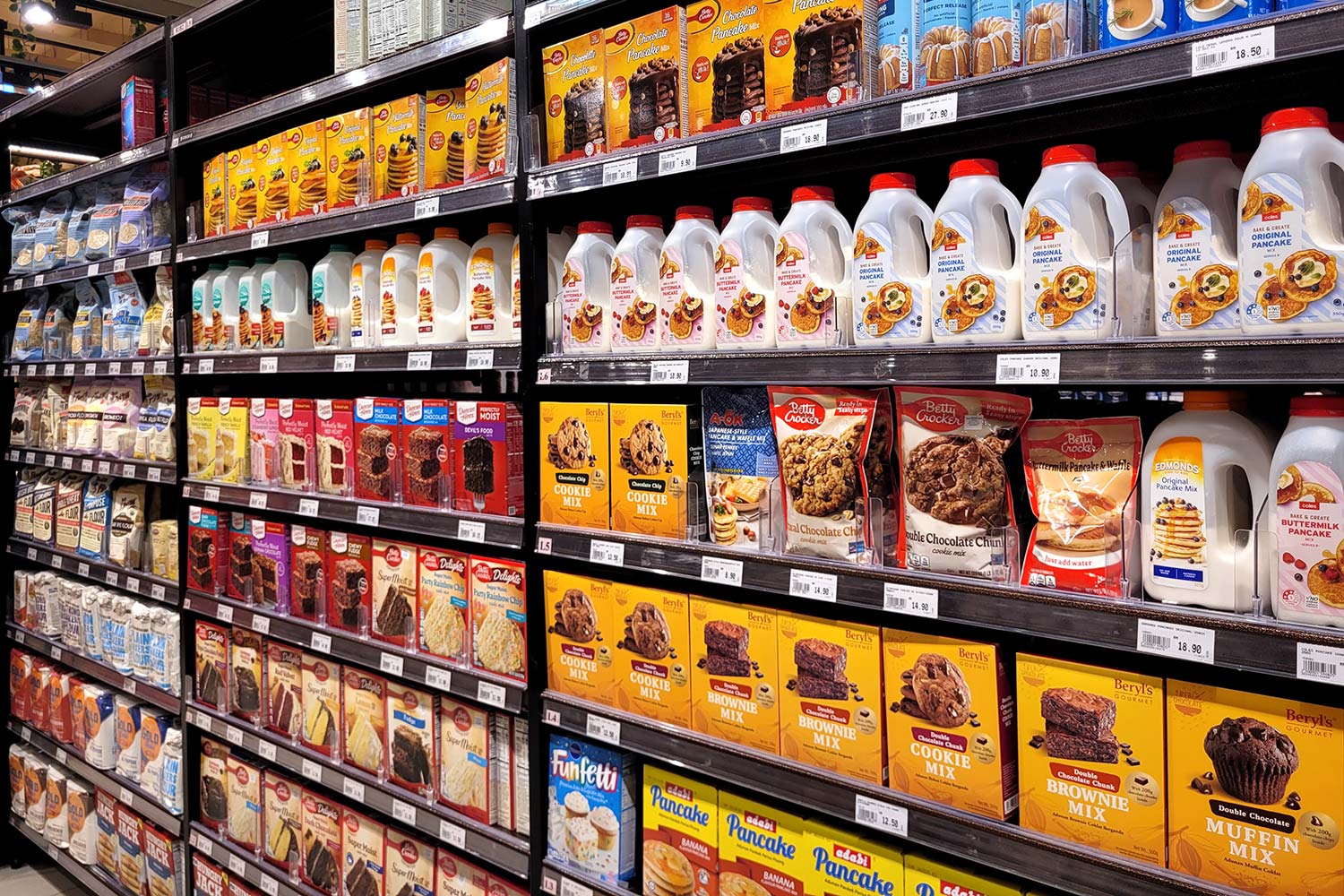
In physical retail, product packaging competes for attention in seconds. On digital shelves, packaging thumbnails determine clicks. In both cases, consumers rarely evaluate products logically at first glance.
Studies show that over 70 percent of purchase decisions are made at the point of sale. Product packaging functions as a silent salesperson, doing the job that advertising cannot in that moment.
If product packaging fails to communicate value instantly, the product inside is rarely given a chance.

Product Packaging Shapes Perceived Value
Product packaging directly affects how much consumers believe a product is worth. Premium packaging allows brands to charge premium prices, even when the underlying product is similar to competitors.
Luxury brands understand this deeply. Heavier boxes, layered unboxing experiences, and refined materials increase perceived value. In contrast, poorly designed product packaging can undermine even excellent products.
This is why rebrands focused on packaging alone often result in immediate sales lifts without changing the product itself.
The Psychology Behind Product Packaging
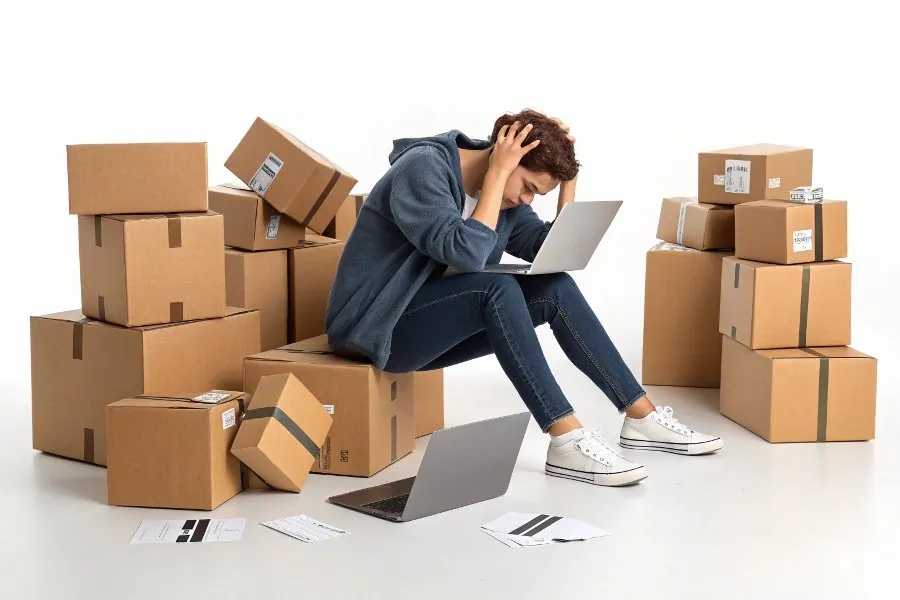
Product packaging triggers emotion before logic. Humans respond to familiarity, novelty, and sensory cues. Texture suggests quality. Minimalism suggests confidence. Bold colors suggest energy.
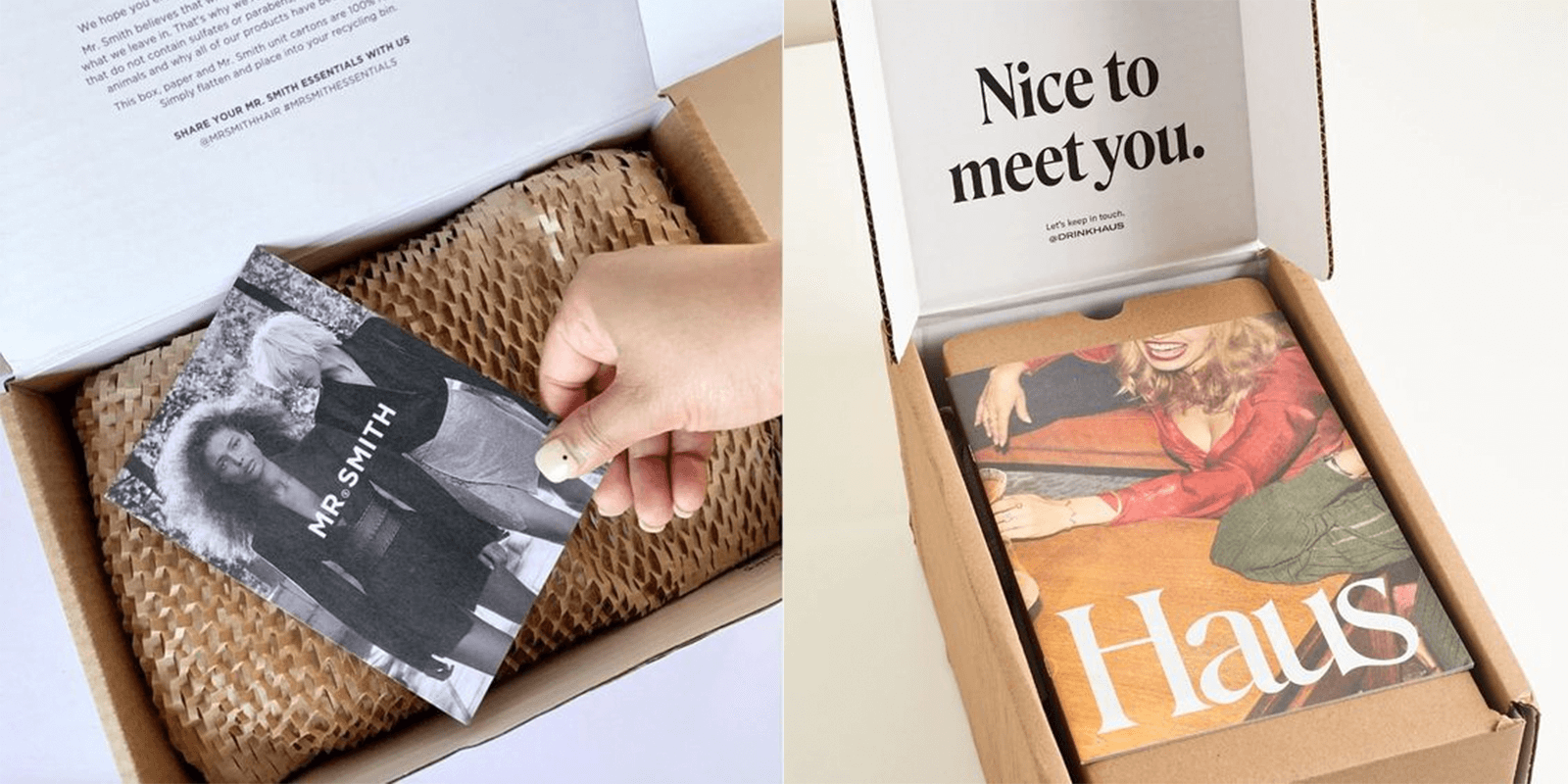
The unboxing experience extends this effect. Thoughtful product packaging creates anticipation and satisfaction, increasing brand attachment and social sharing. This emotional response often outlasts the product’s functional benefits.
When customers remember how a product made them feel, product packaging is usually responsible.
How Product Packaging Builds Brand Trust
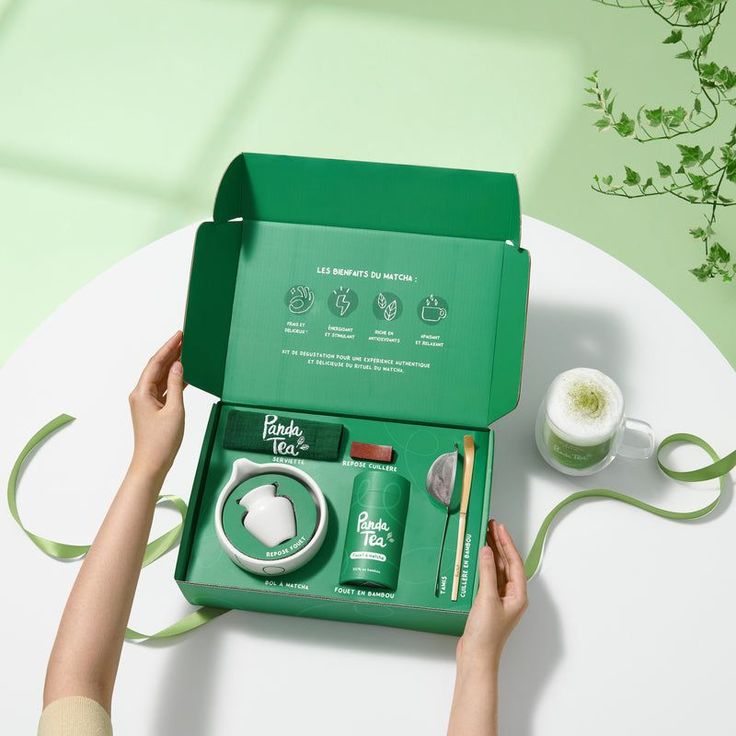
Trust is fragile, especially for new brands. Product packaging plays a critical role in establishing credibility. Clear information, professional design, and consistency signal legitimacy.
In categories like food, skincare, and health, product packaging directly affects perceived safety. Poor packaging design raises doubt, regardless of product quality.
Consumers often assume that if a brand invests in product packaging, it likely invests in the product as well.
When Product Packaging Becomes the Product
In some cases, product packaging becomes more valuable than the product itself. Reusable containers, collectible designs, and aesthetically pleasing packaging extend the product’s lifespan beyond consumption.
Think of packaging that stays on desks, shelves, or countertops. It becomes a daily brand reminder. This transforms product packaging into a marketing asset rather than a cost.
Brands that understand this design packaging to live on, not be thrown away.
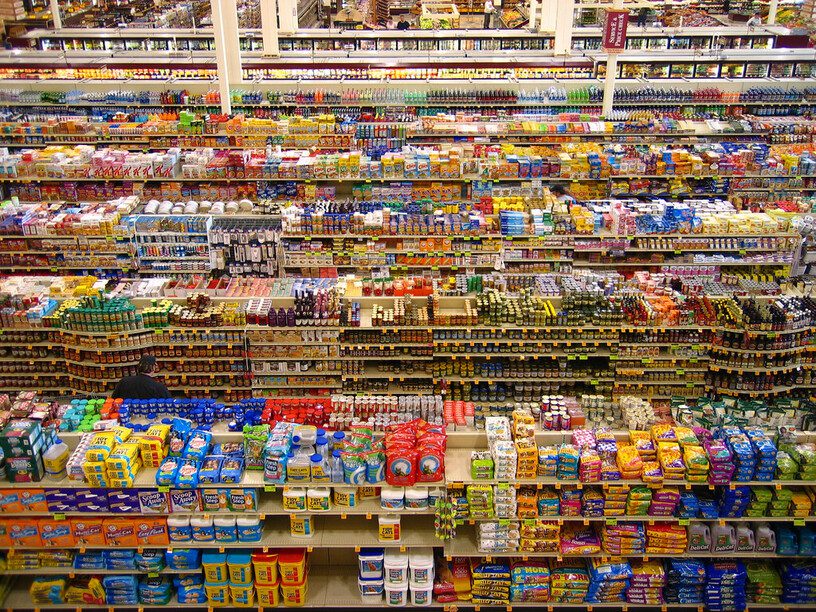
Common Mistakes Brands Make With Product Packaging
The most common mistake is treating product packaging as an afterthought. Another is copying competitors without understanding brand identity.
Overcomplicated packaging confuses consumers. Inconsistent packaging erodes trust. Cheap materials undermine premium positioning.
Effective product packaging is intentional, not decorative.
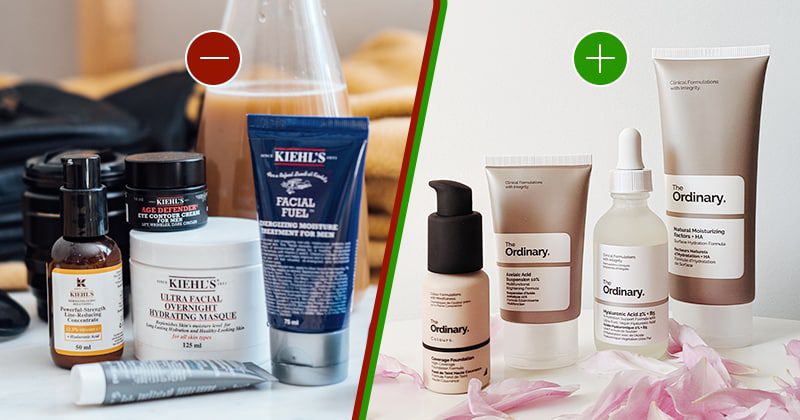
Why Product Packaging Matters More Than Ever
As products become commoditized and marketing costs rise, product packaging remains one of the few levers brands fully control. It influences discovery, perception, pricing, loyalty, and sharing.
In a world of short attention spans, product packaging speaks when no one is listening to ads.
Conclusion
Product packaging matters more than the product because it shapes reality before reality is experienced. It sets expectations, drives emotion, and determines whether a product is chosen at all.
Great products fail every day because their packaging fails first. Brands that understand the power of product packaging do not compete on features alone. They compete on perception, and perception wins.