
Introduction
Team thinking tools are becoming essential as modern teams face faster decision cycles, higher complexity, and constant information overload. In startups, enterprises, and remote organizations alike, the ability to think clearly together now determines speed, quality, and competitive advantage. Team thinking tools help teams organize ideas, surface insights, reduce cognitive friction, and move from discussion to decision without delay. As work becomes more collaborative and less linear, these tools are no longer optional productivity add-ons. They are core infrastructure for how teams think, plan, and execute in today’s knowledge economy.
What Are Team Thinking Tools
Team thinking tools are systems, platforms, and frameworks designed to improve collective reasoning. Unlike basic task managers, team thinking tools focus on how ideas are generated, evaluated, and connected across people.
These tools help teams externalize thinking so knowledge does not live only in meetings or individual minds. Research from Harvard Business Review shows that teams using shared thinking tools make higher-quality decisions and reduce rework caused by misalignment.
In simple terms, team thinking tools turn scattered thoughts into shared understanding.

Why Team Thinking Tools Matter More Than Ever
Work today is faster but attention is weaker. Meetings multiply, messages overlap, and decisions stall. Team thinking tools solve this by giving teams a single place to reason together.
Remote and hybrid teams rely heavily on team thinking tools because real-time conversation alone is no longer enough. According to Microsoft’s 2024 Work Trend Index, teams using structured thinking tools reported faster alignment and fewer follow-up meetings.
Team thinking tools reduce ambiguity, which is one of the biggest drains on productivity.
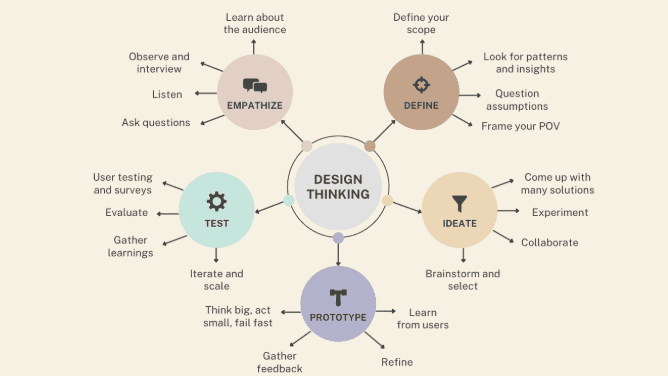
Core Categories of Team Thinking Tools
Visual Team Thinking Tools
Visual team thinking tools help teams map ideas spatially. Whiteboards, diagrams, and flowcharts allow groups to see relationships rather than describe them verbally.
Tools like digital whiteboards are especially powerful in early-stage thinking, strategy sessions, and problem solving. They help teams think non-linearly while staying aligned.

Writing-Based Team Thinking Tools
Writing-based team thinking tools focus on clarity through structured documentation. Shared documents, wikis, and decision logs slow thinking just enough to improve quality.
Amazon famously prioritizes written thinking for this reason. Teams using writing-based team thinking tools often make fewer emotional decisions and more reasoned ones.
AI-Powered Team Thinking Tools
AI-powered team thinking tools accelerate analysis, summarization, and idea generation. They help teams explore options quickly while humans retain judgment.
These tools are most effective when used to support thinking, not replace it. Teams that treat AI as a thinking partner rather than an answer machine gain the most value.

How Team Thinking Tools Improve Decision Making
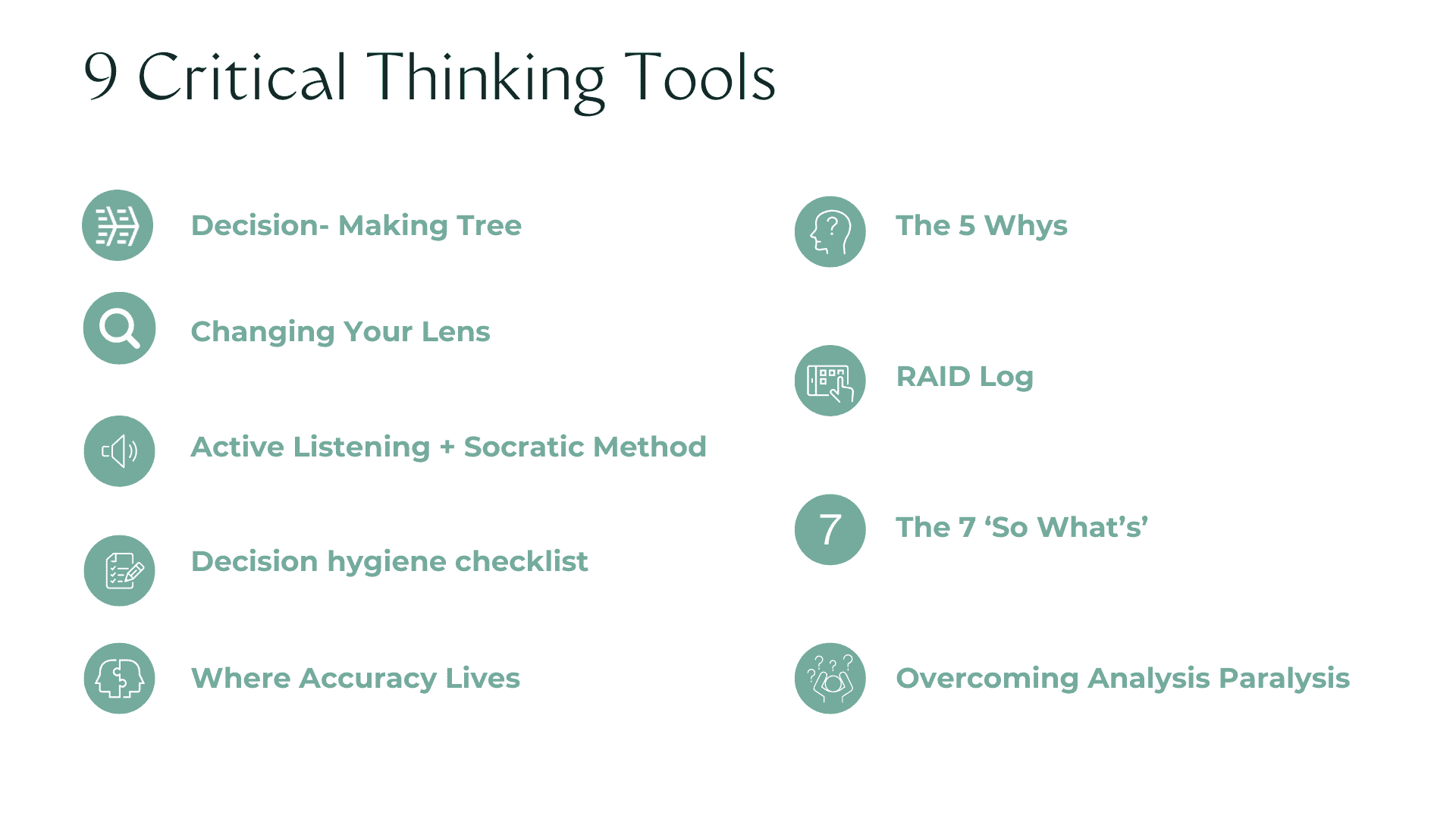
Team thinking tools improve decisions by slowing chaos without slowing progress. They create shared context, document assumptions, and make reasoning visible.
Instead of repeating conversations, teams build on previous thinking. According to a McKinsey study, organizations using structured decision tools reached conclusions up to 30 percent faster with higher confidence.
Team thinking tools also reduce power imbalance by giving quieter team members space to contribute asynchronously.
Team Thinking Tools and Smarter Collaboration
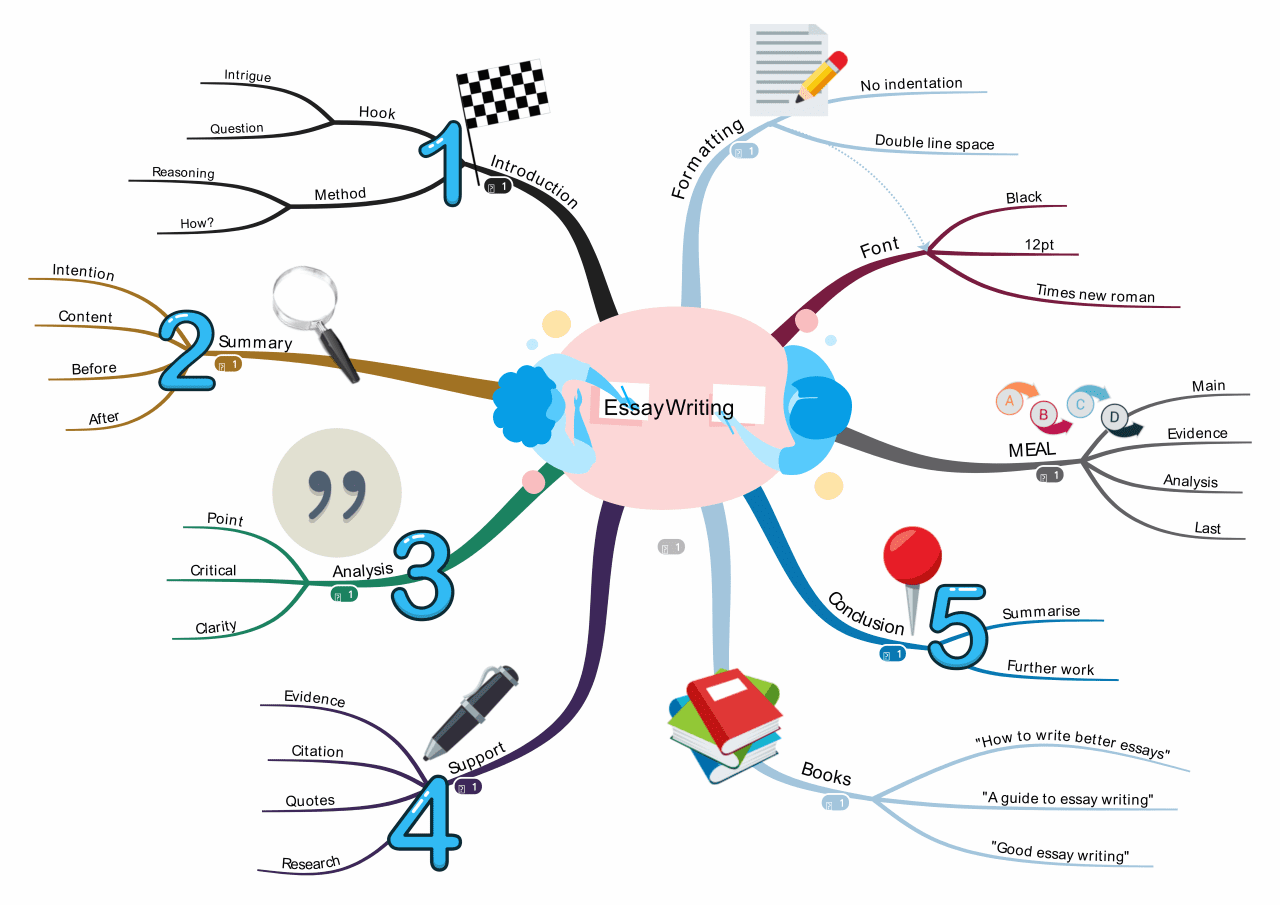
Collaboration often fails not because people disagree, but because they misunderstand each other. Team thinking tools act as translation layers between perspectives.
By externalizing ideas, team thinking tools reduce misinterpretation and emotional friction. This is especially important in cross-functional teams where language and priorities differ.
Teams that collaborate through shared thinking artifacts tend to trust each other more and revisit decisions less often.
How to Choose the Right Team Thinking Tools
The best team thinking tools fit how your team already works. Overly complex tools often slow thinking rather than improve it.
Founders and leaders should ask three questions:
- Does this tool help us think more clearly together?
- Does it reduce repetition and confusion?
- Does it scale as decisions become more complex?
The goal is not more tools, but better thinking.
Common Mistakes Teams Make With Thinking Tools
Many teams adopt tools without changing behavior. Team thinking tools fail when they become storage systems instead of thinking systems.
Another mistake is over-documentation. Effective team thinking tools balance structure with flexibility. They support progress, not bureaucracy.
The most successful teams regularly review and refine how they use team thinking tools.
The Future of Team Thinking Tools
Team thinking tools are evolving toward deeper integration with AI, automation, and real-time collaboration. The future is not about faster typing, but faster sense-making.
As organizations flatten and decisions decentralize, team thinking tools will become the backbone of leadership and strategy.
Teams that invest early in strong thinking systems will outpace those relying on meetings alone.
Conclusion
Team thinking tools help teams think faster not by rushing decisions, but by making thinking clearer, shared, and repeatable. In a world where speed and quality must coexist, these tools provide a decisive edge.
Organizations that treat team thinking tools as strategic assets rather than productivity hacks will build smarter teams, better decisions, and more resilient performance over time.
Frequently Asked Questions
What are team thinking tools?
Team thinking tools are platforms and systems that help groups organize ideas, reason together, and make better decisions.
Why are team thinking tools important for modern teams?
They reduce confusion, speed up alignment, and improve decision quality in complex work environments.
Do team thinking tools replace meetings?
They reduce unnecessary meetings by making thinking visible and reusable.
Are team thinking tools useful for remote teams?
Yes, they are especially valuable for remote and hybrid teams that rely on asynchronous collaboration.
How often should teams update their thinking tools?
Regularly, as workflows, team size, and decision complexity evolve.