Introduction
The social media aesthetic shaping today’s digital platforms is impossible to ignore. From Instagram feeds and TikTok videos to brand campaigns and personal content, a clean, minimalist visual style has become the dominant language of the internet. Neutral tones, uncluttered spaces, and effortless presentation now define what performs best online. This aesthetic is not accidental. It reflects how algorithms reward clarity, how audiences crave calm, and how creators adapt to attention economics in an overstimulated world.
This is not just a design trend. It is a response to how platforms reward attention, how audiences consume content, and how digital identity is built in a crowded economy. Understanding why this social media aesthetic dominates every platform reveals deeper truths about culture, commerce, and the future of online influence.
What the Social Media Aesthetic Really Looks Like
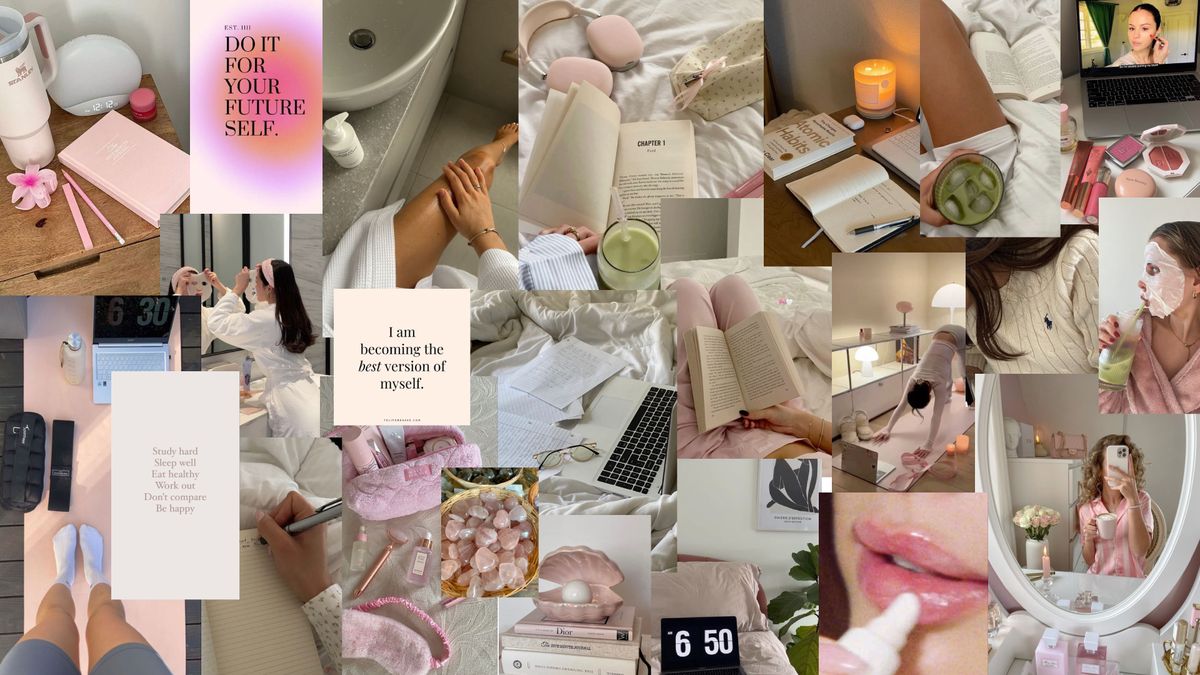
The dominant social media aesthetic is rooted in modern minimalism. Visually, it favors beige, white, soft gray, and earth tones. Composition is intentional but never cluttered. Fashion appears simple yet polished. Interiors are sparse but warm. Lighting is natural, often mimicking daylight.
On platforms like Instagram and TikTok, this aesthetic shows up in curated feeds, morning routines, skincare rituals, productivity desks, and lifestyle vlogs. According to Pinterest trend data from 2024, searches related to minimalist and clean aesthetics grew more than 30 percent globally, confirming sustained demand.
What makes this social media aesthetic powerful is its adaptability. It works across industries, from beauty and wellness to tech startups and personal branding.
Why the Social Media Aesthetic Wins on Every Platform
Platforms are engineered to reward content that is easy to consume quickly. The social media aesthetic performs exceptionally well because it reduces visual noise. Clean visuals stop the scroll. Neutral tones feel calm. Predictable layouts help viewers process information in seconds.
Algorithmically, consistency matters. Creators who maintain a recognizable social media aesthetic benefit from stronger recommendation signals. Meta has publicly stated that content with visual clarity and repeatable formats tends to achieve higher completion and retention rates.
There is also a psychological factor. In an overstimulated digital world, minimalism feels safe. The social media aesthetic offers a sense of control and order, making it emotionally appealing during uncertain times.
How the Social Media Aesthetic Shapes Influencer Culture
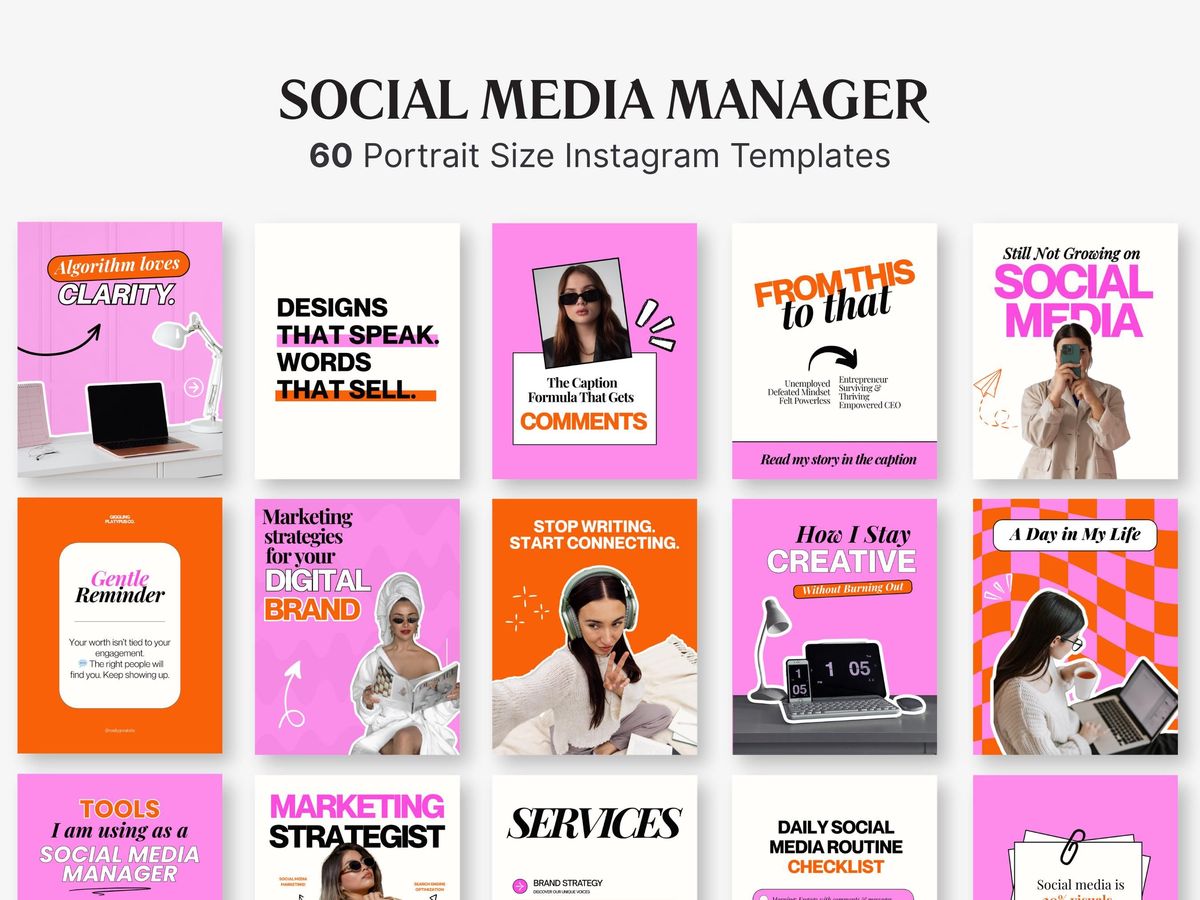
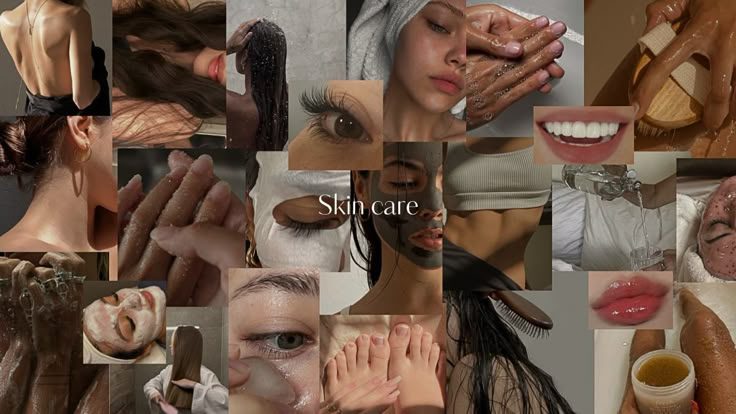
Influencer culture has been deeply shaped by the social media aesthetic. Trends like the clean girl and soft life movements reframed success away from hustle and toward calm, balance, and intentional living. Influencers began sharing slow mornings, skincare routines, quiet workdays, and peaceful homes.
These trends surged after the pandemic, when burnout became widespread. Google Trends data shows consistent growth in searches related to soft life and clean aesthetics between 2022 and 2025 across multiple regions.
Crucially, this social media aesthetic made aspiration feel accessible. You did not need luxury cars or exotic travel. A neutral wall, a plant, and good lighting were enough to signal taste and stability.
Brands Adopting the Social Media Aesthetic for Trust and Growth
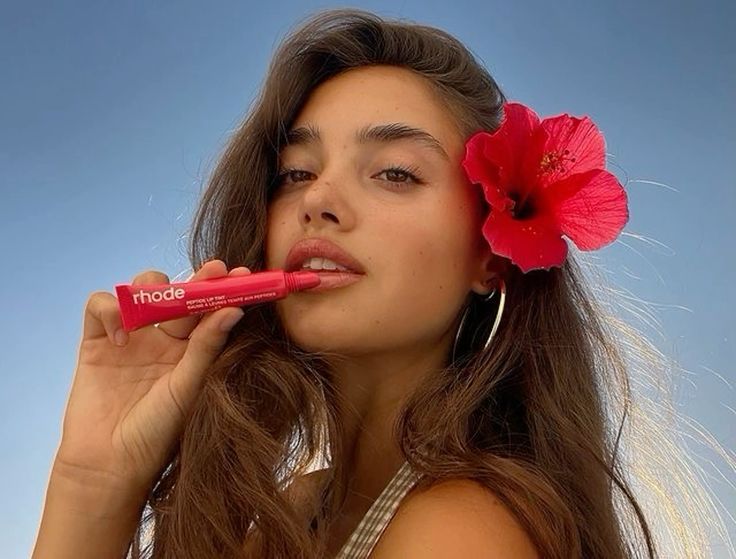
Brands quickly recognized the power of the social media aesthetic. Packaging became simpler. Logos were flattened. Color palettes softened. Messaging shifted toward clarity, wellness, and emotional ease.
Beauty and lifestyle brands built entire identities around this look. Even fintech and B2B software companies embraced minimalist design to communicate trust and efficiency. A 2024 Nielsen study found that Gen Z consumers rated brands with clean, simple visuals as more credible than those with complex or aggressive design.
For startups, the social media aesthetic signals focus and modernity. In crowded markets, looking calm can be a strategic advantage.
The Criticism and the Cracks in the Social Media Aesthetic
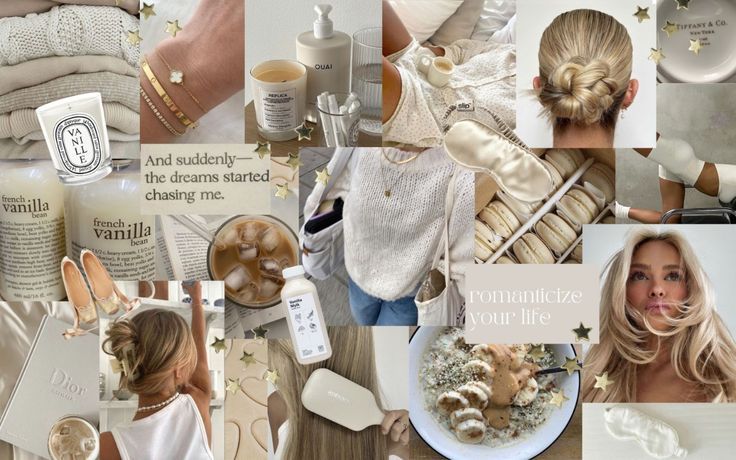
As the social media aesthetic became dominant, criticism followed. Feeds began to look identical. Individuality was often sacrificed for algorithm safety. What once felt fresh started to feel repetitive.
There is also a socio-economic critique. The clean social media aesthetic often hides privilege. Minimal homes require space. Effortless beauty requires time, money, and access. What appears simple is frequently expensive.
In response, some creators are embracing more authenticity. Messier visuals, louder colors, and unfiltered storytelling are gaining traction. Platforms themselves are testing broader discovery formats that reward originality over perfection.
What Comes Next for the Social Media Aesthetic
The social media aesthetic is not disappearing anytime soon. It is deeply embedded in platform design and audience expectations. However, it is evolving. The next phase blends minimalism with personality, cultural identity, and imperfection.
Creators and brands that succeed will not abandon the social media aesthetic. They will humanize it. Texture, emotion, and story will matter more than flawless visuals alone.
Conclusion
The social media aesthetic dominating every platform reflects a global desire for calm, clarity, and control in digital spaces. It shapes how we dress, design, work, and present ourselves online. But no aesthetic rules forever.
As audiences grow more discerning, the future belongs to those who balance beauty with authenticity. Understanding the social media aesthetic is essential. Using it thoughtfully will define relevance in the next chapter of digital culture.
Frequently Asked Questions
What is the social media aesthetic?
The social media aesthetic refers to the dominant visual style online, defined by minimalism, neutral colors, and clean presentation.
Why does the social media aesthetic perform so well?
Because it is visually calming, easy to consume quickly, and favored by platform algorithms.
Is the social media aesthetic accessible to everyone?
While it looks simple, it often requires time, space, and resources, which has sparked criticism.
Are brands still using the social media aesthetic in 2025?
Yes, many brands rely on it to signal trust, clarity, and modernity.
What trend may replace the social media aesthetic?
A shift toward authenticity, personalization, and imperfect visuals is already emerging.