For decades, loyalty was engineered. Points systems. Punch cards. Status tiers. Discounts disguised as rewards. Customers stayed not because they felt connected, but because leaving felt inconvenient.
That model is breaking.
Today’s consumers switch faster, question more, and feel less emotional obligation to brands. And yet, some companies are experiencing stronger loyalty than ever. Not through incentives, but through alignment.
The brands redefining customer loyalty are not asking, How do we lock people in?
They are asking, Why would someone choose us again tomorrow?
The answers are reshaping how loyalty is built and sustained.
Loyalty Has Shifted From Habit to Trust

The biggest change is psychological. Old loyalty was habitual. You bought the same brand because it was familiar. New loyalty is conditional. Customers stay only as long as trust is maintained.
This is why brands like Patagonia inspire fierce loyalty without aggressive promotions. Their values are consistent. Their actions match their messaging. Customers feel confident their money supports something stable and principled.
Trust replaces inertia.
When trust exists, customers forgive mistakes. When it doesn’t, no reward program can compensate.
Products Now Carry the Loyalty Burden
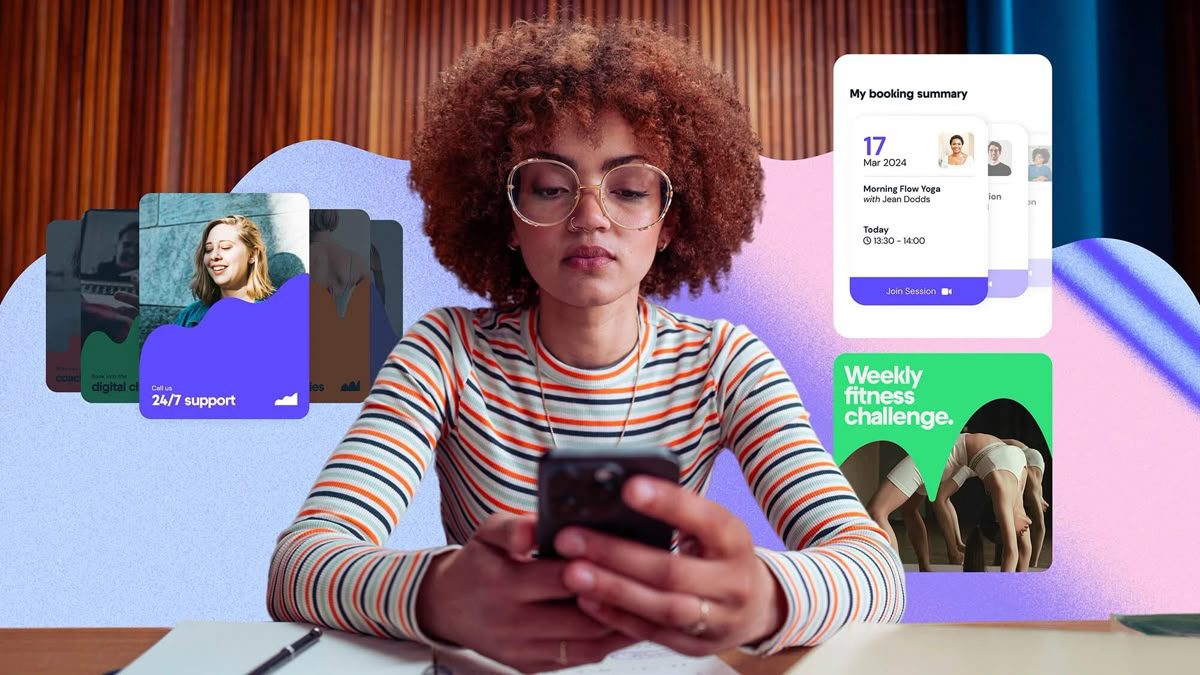
Marketing used to carry loyalty. Now products do. In a world of constant comparison, customers reward brands that remove friction and deliver reliability. Ease, clarity, and consistency matter more than emotional storytelling alone.
Consider how Amazon built loyalty not through sentiment, but through execution. Fast delivery. Predictable service. Easy returns. Loyalty emerged from reduced effort, not persuasion.
The less customers have to think, the more likely they are to return.
Community Replaced Rewards

Many of the most loyal brands no longer lead with incentives. They lead with belonging. Community-driven brands create identity, not just transactions. Customers feel seen, involved, and heard. This shifts the relationship from buyer-seller to participant-member.
Brands like Glossier grew by listening publicly, incorporating feedback, and spotlighting customers as part of the brand story. Loyalty formed because customers felt co-ownership.
Belonging outlasts discounts.
Loyalty Is Earned in Moments of Friction
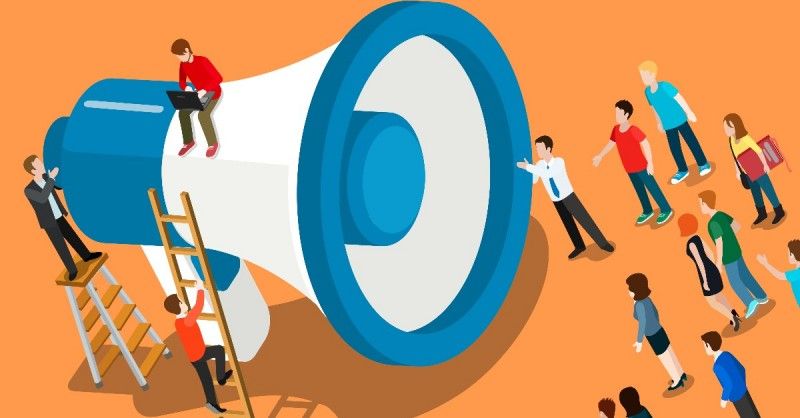
Ironically, loyalty is tested not when things go well, but when they go wrong. Delays. Mistakes. Bugs. Complaints. These moments reveal a brand’s true priorities.
Companies redefining loyalty invest heavily in support, transparency, and resolution. They respond quickly. They explain clearly. They take responsibility.
A 2024 PwC consumer study found that customers who experienced a problem resolved well were more loyal than those who never had a problem at all. How you handle friction matters more than avoiding it.
Subscriptions Changed the Loyalty Equation
Subscription models forced a reckoning. When customers can cancel anytime, loyalty must be continuously earned. There is no annual lock-in. Every month is a renewal decision.
Brands like Netflix retain customers not through contracts, but through consistent value delivery. If relevance drops, churn follows immediately.
This pressure has made loyalty more honest. Brands either stay useful or lose customers fast.
Values Without Performance Do Not Work
One hard lesson brands learned is that values alone are insufficient. Customers appreciate ethics, sustainability, and transparency, but only when paired with strong execution. Purpose does not excuse poor service.
The brands winning today align values with performance. They do not ask customers to choose between ideals and quality.
Loyalty emerges when customers do not have to compromise.
Why Traditional Loyalty Programs Are Losing Power
Points systems are not dead, but they are weaker. They work best as reinforcement, not the foundation. Without a strong core experience, rewards feel transactional and forgettable.
Modern consumers are savvy. They understand when loyalty is being purchased rather than earned.
The brands redefining loyalty use rewards sparingly. They focus first on experience, trust, and consistency.
What All Brands Can Learn From This Shift
The new loyalty playbook is simpler, but harder to execute:
- Be consistently reliable
- Reduce customer effort relentlessly
- Communicate clearly during problems
- Align actions with stated values
- Stay useful, not just visible
Loyalty today is not emotional attachment alone. It is confidence in repeat decisions.
Conclusion: Loyalty Is a Choice Renewed Daily
Customer loyalty is no longer something brands extract. It is something customers grant, repeatedly, based on experience.
The brands redefining loyalty are not louder. They are steadier. They show up reliably, respect their customers’ time, and deliver what they promise without theatrics.
In a market full of options, loyalty belongs to the brands that make the next decision easy.