
Silicon Valley built an archetype.The charismatic founder. The relentless visionary. The leader who moves fast, speaks boldly, and bends reality through force of will. This model produced iconic companies, but it also produced burnout, fragility, and cultural debt that many organizations are still paying off.
What Silicon Valley missed was not intelligence or ambition. It missed a leadership style that does not dominate rooms, chase headlines, or confuse confidence with competence.
The overlooked style is quieter. More disciplined. Less performative. And increasingly, it is outperforming the old model in environments where trust, retention, and adaptability matter more than speed alone.
The Valley Rewarded Loudness Over Clarity

For years, visibility was treated as a leadership skill.Pitch decks rewarded bold claims. Media rewarded certainty. Internal cultures rewarded those who spoke fastest and loudest. Leaders learned quickly that confidence mattered more than accuracy.
This worked in boom cycles, where mistakes were masked by growth. But as markets tightened, the cost became visible. Poor decisions. High attrition. Cultural drift.
Leadership optimized for attention scales poorly under pressure.
The Missed Style: Calm, Contextual, and Grounded
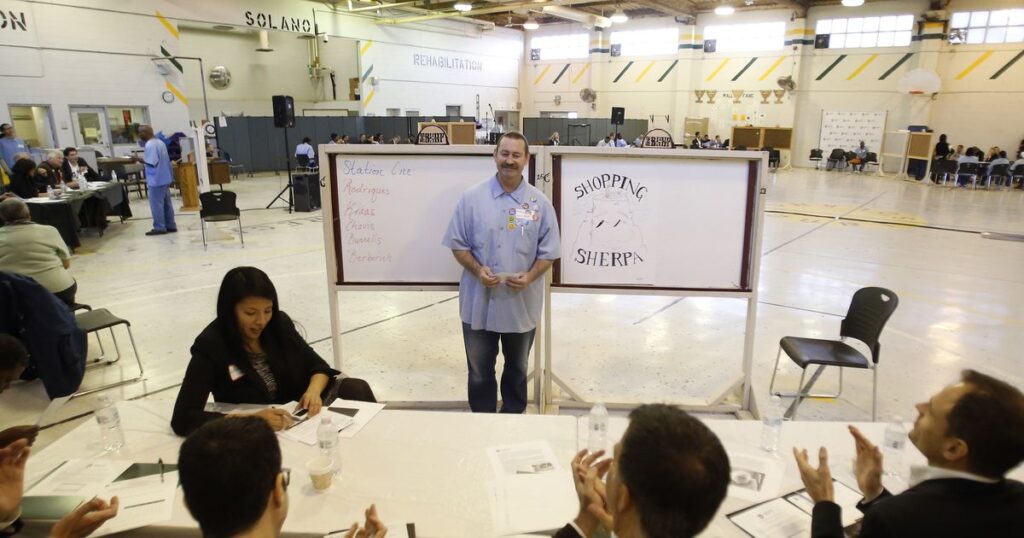
The leadership style Silicon Valley missed is grounded leadership.These leaders do not center themselves. They center the system. They ask better questions than they answer. They prioritize clarity over charisma and context over control.
Instead of saying “trust me,” they say “here’s what we know, here’s what we don’t, and here’s how we’ll decide.”
This style does not inspire through spectacle. It earns confidence through consistency.
Founders like Satya Nadella demonstrated this shift clearly. When he took over Microsoft, the change was not technical first. It was cultural. Listening replaced posturing. Collaboration replaced internal competition. Performance followed.
Psychological Safety Was Undervalued
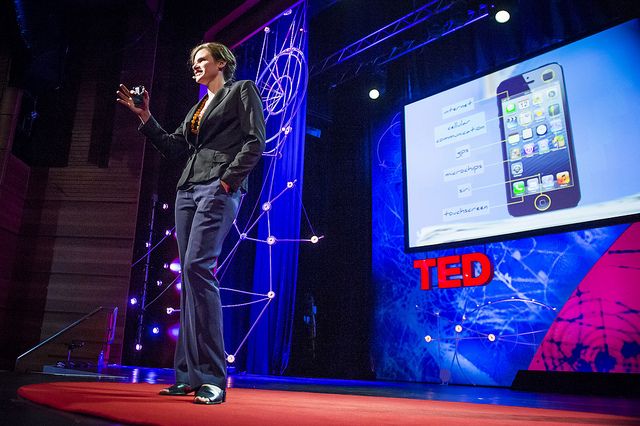
Silicon Valley talked about innovation, but often ignored the conditions that enable it.
Teams innovate when they feel safe to disagree, question assumptions, and admit uncertainty. Loud leadership suppresses this unintentionally. When certainty dominates, dissent retreats.
Research from Google’s Project Aristotle showed that psychological safety was the strongest predictor of high-performing teams. Not talent. Not speed. Safety.
Leaders who create space instead of filling it unlock better thinking across the organization.
Why This Style Looked Weak but Wasn’t

The missed leadership style was often misinterpreted as softness.Listening was mistaken for indecision. Caution was mistaken for lack of ambition. Empathy was mistaken for fragility.
In reality, these leaders were managing second-order effects. They understood that short-term intensity often creates long-term instability.
Calm leadership is not passive. It is deliberate.
Retention Became the New Battleground

As talent markets tightened, leadership weaknesses surfaced.
People did not leave because of compensation alone. They left because of exhaustion, misalignment, and lack of trust. Organizations with quieter, more grounded leaders retained talent better and executed longer.
Companies like Basecamp became examples of an alternative leadership ethos. Fewer theatrics. Clear boundaries. Respect for focus. The result was longevity, not hype.
Retention is a leadership outcome, not an HR metric.
Decision Quality Beats Decision Speed
Silicon Valley prized speed.
But speed without judgment creates churn. Fast decisions are only valuable when they are reversible or informed. Grounded leaders differentiate between the two.
They slow down when stakes are high and move fast when stakes are low. This discernment reduces rework, conflict, and strategic whiplash.
In complex environments, decision quality compounds faster than decision velocity.
Why This Leadership Style Is Rising Now
The environment changed.
Capital is tighter. Teams are distributed. Customers are more skeptical. Trust is fragile. These conditions punish performative leadership and reward steadiness.
The leaders succeeding today are not trying to be the smartest voice in the room. They are trying to build rooms where smart voices speak.
What once looked unexciting now looks essential.
What Founders and Executives Can Learn
The missed leadership style is learnable.
Key shifts include:
- Replace certainty with clarity
- Replace dominance with facilitation
- Replace urgency with prioritization
- Replace ego with systems thinking
Leadership is not about being impressive. It is about being useful when things are unclear.
Conclusion: The Next Era Belongs to Steady Leaders
Silicon Valley did not fail because of ambition.It failed because it over-indexed on spectacle and under-indexed on stability. The leadership style it missed is now becoming the standard in companies built to last.
Quiet leadership does not trend on social media. It does not make great soundbites. But it builds organizations that can survive pressure, adapt to change, and retain trust.
The future does not need louder leaders.
It needs steadier ones.